Summary
Vetting a custom clothing manufacturer before you wire a deposit means confirming their legal business registration, distinguishing a real factory from a trading company or agent, checking whether their certifications (like WRAP, Sedex/SMETA, or BSCI) are current and verifiable rather than decorative, requesting trade references, and structuring payment, 30/70 splits, escrow, or milestone-based release, so no single deposit exposes your full order value. This guide walks through all 14 checkpoints.
A 14-Point Due Diligence Checklist
Search “clothing manufacturer scam” and you’ll find the same two sentences repeated across dozens of Trustpilot threads and Shopify app reviews: “They take your money and will not deliver.” “Once they owe you, you cannot reach anyone.”
There’s an entire cottage economy built around this fear: Gumroad sellers are charging $35 to $100 for “verified manufacturer lists,” because buyers have no reliable way to check a factory themselves. That entire market exists to fill a gap that shouldn’t need filling: the actual verification steps aren’t secret; they’re just scattered, buried in trade-finance jargon, or missing entirely from the affiliate-driven “20 best manufacturers” listicles that dominate this search term. You don’t need to buy someone else’s spreadsheet. You need to know what to check and how to check it yourself.
This is that checklist. It’s a protection guide, not a pitch; some of what’s below will point you toward questions a supplier needs to answer well, not toward any particular company, including ours. Work through it once, in order, before a single dollar leaves your account.
Point 1–2: Confirm the Legal Entity, Not Just the Website
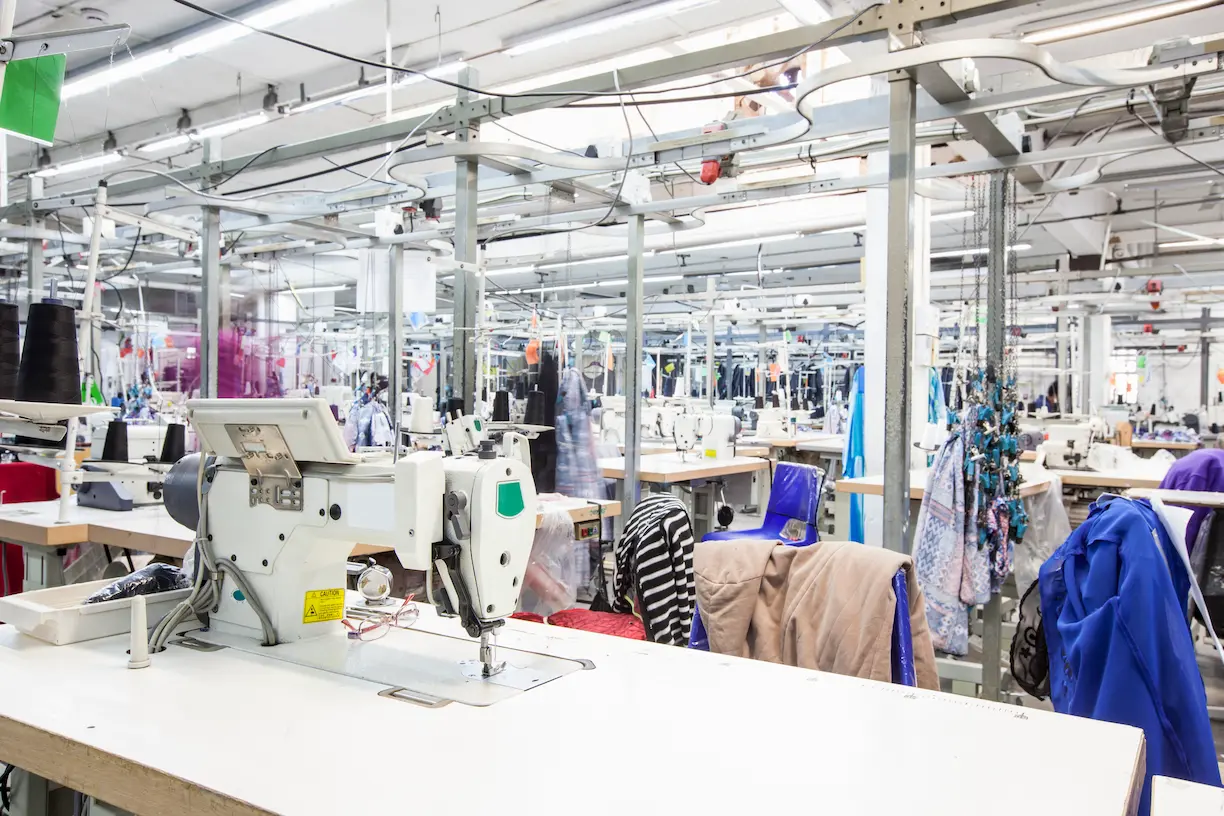
Before anything else, find out who you’re actually contracting with.
- Request the full legal business name and registered address, then verify it independently, through a country-specific business registry, a chamber of commerce lookup, or a paid verification service, rather than trusting whatever’s printed on a PDF quote. A factory with nothing to hide will provide this without hesitation.
- Cross-check the address against what’s on their invoices, their website, and any export documentation they’ve sent. A mismatch between the legal entity name on a contract and the name on the bank account you’re asked to wire money to is one of the most consistent red flags in scam reports and one of the easiest to check before any money moves.
Point 3–4: Factory, Trading Company, or Agent?
This is the second major pain point buyers run into, and it matters because each relationship carries different risk, pricing, and accountability.
A factory owns and operates the production line itself. A trading company sources from multiple factories on your behalf, adding a margin, but with variable visibility into which factory actually makes your order. An agent works similarly to a trading company but often represents themselves as more directly connected than they are. None of these is automatically bad; a good trading company can genuinely help a small brand access better factories than they could source alone, but you need to know which one you’re dealing with before you evaluate anything else.
- Ask directly, and ask for proof. A real factory can answer detailed operational questions instantly and specifically. A trading company, even an honest one, often needs to check with “the factory” before answering, which is itself informative.
- Request their machine list, line count, and floor plan, along with photos or video that include a visible date stamp or a written note with today’s date. Stock photography lifted from a certification body’s marketing site, or images that reverse-image-search back to a different company entirely, is a clear signal you’re looking at a trading company presenting itself as a factory, or worse.
Point 5: The Live Video Walkthrough
- Request a live video call showing the actual production floor, not a pre-recorded promotional video, a real-time walkthrough where you can ask to see a specific machine, a specific work-in-progress order, or a specific corner of the facility on the spot.
A legitimate factory will accommodate this without much friction. A refusal, an indefinite delay, or a video call that’s oddly limited to a single static camera angle is one of the clearest signals in this entire checklist; genuine hesitation here correlates strongly with the horror stories in the reviews you’ve already read.
Point 6–8: Certifications That Mean Something, and Ones That Don’t
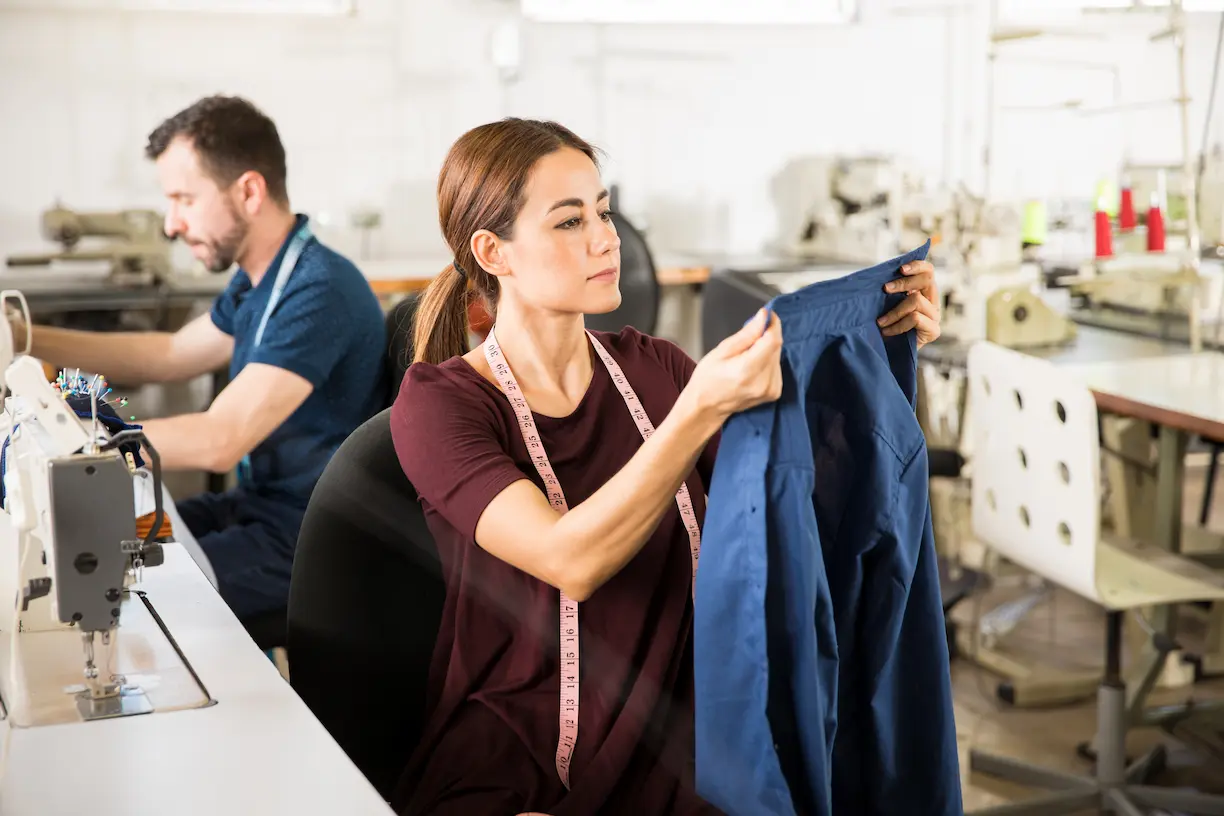
Certifications get name-dropped constantly in supplier pitches, but not all of them prove the same thing, and some prove almost nothing on their own.
- WRAP (Worldwide Responsible Accredited Production) is a genuine, independently audited factory certification, assessing compliance with 12 principles covering forced labor, child labor, health and safety, and working hours. It’s tiered; Silver facilities are re-inspected roughly every six months, Gold annually, and Platinum every two years, so ask which tier the facility holds and request the certificate number to verify directly with WRAP.
- Sedex and SMETA are not the same thing, and this distinction trips up almost every first-time buyer. Sedex is a membership platform for sharing supply-chain data; being “a Sedex member” means a factory has signed up for the platform, not that they’ve passed anything. SMETA (Sedex Members Ethical Trade Audit) is the actual audit methodology conducted against that membership, and it’s a verification, not a pass/fail certification; it documents the degree to which a facility meets requirements, not a guarantee of full compliance. If a supplier says “we’re Sedex certified,” ask specifically whether they mean SMETA-audited, and ask for the audit date and score.
- BSCI (now under amfori) works similarly to SMETA, a social-compliance audit methodology rather than a binary certification, assessing labor rights, health and safety, and business ethics. As with Sedex, ask for the actual audit report and date, not just the logo.
Oeko-Tex Standard 100, by contrast, is a genuinely useful signal but answers a completely different question; it certifies the finished product is tested free of harmful substances and says nothing about labor conditions or factory operations at all. A factory citing Oeko-Tex as evidence of “ethical manufacturing” is either confused or hoping you are.
The rule across all of these: a logo on a website is decorative. A certificate number you can independently verify, or an audit report with a real date and scope, is the actual evidence.
Point 9: Trade References
- Ask for two or three trade references from other brands, ideally ones roughly your size, who’ve placed real orders with this factory in the last 12 months. Then actually contact them and ask specific questions: Did the finished goods match the approved sample? Was communication reliable once money changed hands? Would they order again?
A factory that can’t produce a single reference after operating for any meaningful length of time is worth treating with real caution, regardless of how good everything else on this list looks.
Point 10: Sample Lead Time and Production Capacity
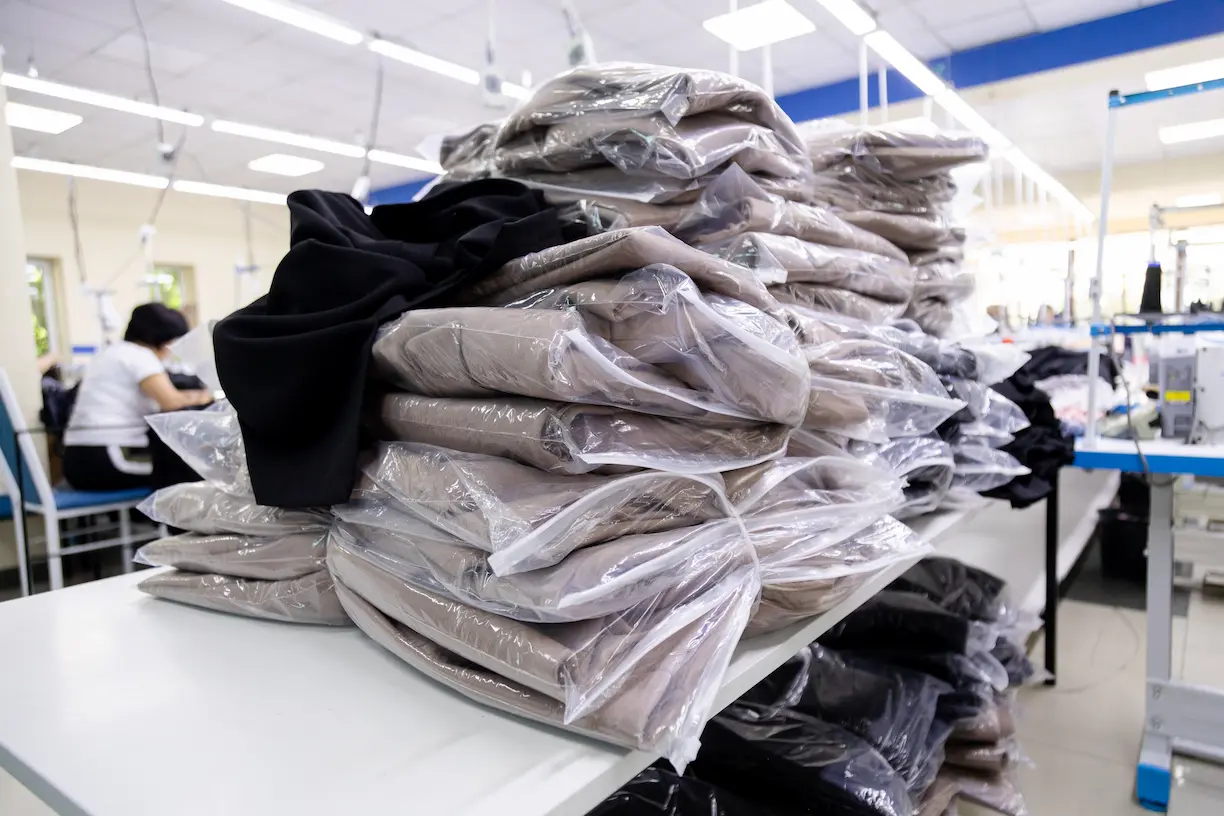
- Ask for a realistic sample lead time and a stated production capacity, then sanity-check both. A factory claiming a two-day sample turnaround for a moderately complex garment, or claiming capacity numbers that would put them among the largest facilities in their region, is either exaggerating or isn’t the one actually doing the work. Reasonable numbers, stated plainly and with some acknowledgment of variables (fabric availability, current order backlog), are a far better sign than suspiciously perfect answers.
Point 11–13: Structure Your Payment to Limit Exposure
However well a factory checks out on paper, payment structure is what determines your actual financial exposure if something still goes wrong.
- Insist on a staged payment structure, most commonly a 30/70 split, rather than paying the full order value upfront. Thirty percent at purchase order confirmation covers the factory’s real material and capacity-booking costs; the remaining 70% stays in your hands until goods are ready to ship, which is your real leverage if quality slips mid-production.
- For a first order with an unfamiliar or overseas factory, consider escrow or a letter of credit instead of a plain wire transfer. Escrow holds your payment with a neutral third party until agreed conditions are met. A letter of credit goes further, having a bank release payment only once the factory presents documents proving shipment. Both cost more in time or fees than a simple bank transfer, and both remove the “pay and hope” risk that shows up in nearly every scam review.
- Never release a final balance before a pre-production sample has been approved in writing. This single step catches more quality disasters than any other checkpoint on this list, and it costs nothing beyond the patience to wait for it.
Point 14: Red Flags That Should Stop You Regardless
- Watch for these together, not in isolation. any single one might have an innocent explanation, but two or three appearing at once is a pattern worth walking away from:
- No sample fee requested at all. Legitimate factories charge for samples (sometimes crediting it against a future order) because producing one costs them real time and material. “Free samples, no questions asked” is a far more common lure in scam operations than a genuine cost-saving gesture.
- Prices significantly below the market range for the fabric, construction, and quantity you’re requesting. If a quote seems too good to be true relative to three or four other quotes for the same specification, it usually is.
- Refusal or repeated delay on a live video call, especially after initially agreeing to one.
- Generic stock photography on the company website, particularly images that also appear on unrelated companies’ sites; a quick reverse image search takes thirty seconds and catches this reliably.
- Pressure to move fast, a deposit deadline, a “this price is only good today” framing, or discomfort with you taking time to verify any of the points above.
What Genuine Transparency Looks Like
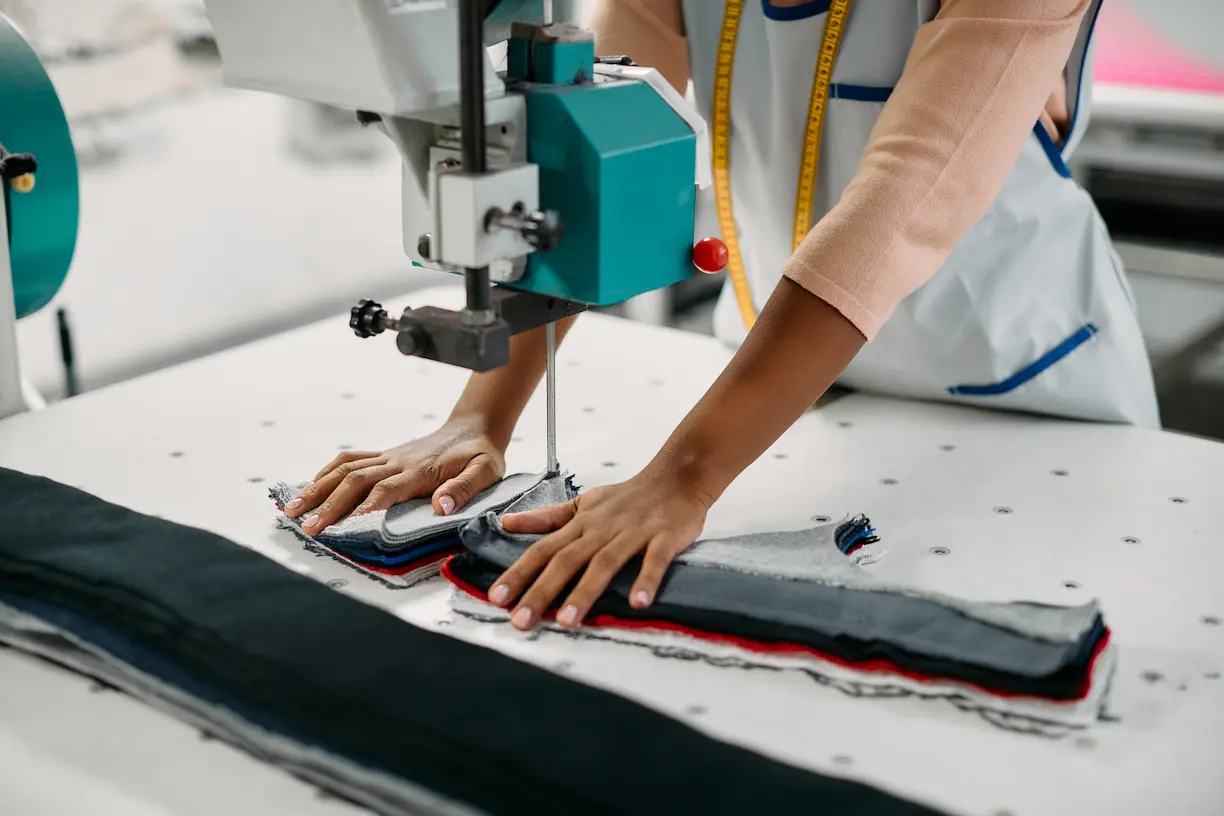
If you’re comparing options among cut-and-sew clothing manufacturers, the fastest filter isn’t the lowest quote; it’s which ones answer every point on this list without friction. A factory confident in its own operation has nothing to lose by showing you the floor, naming its references, and explaining its actual certification status in plain language.
It’s worth being honest about the limits of any checklist, too: none of these fourteen points guarantees a perfect outcome, and a supplier can pass most of them and still disappoint you on quality or timeline. What this checklist actually protects against is the catastrophic outcome, the full deposit gone, no contact, and no recourse, which is the specific failure mode behind nearly every review this article opened with. A factory that clears these fourteen checks has, at minimum, demonstrated it has something real to lose by disappearing.
Want to see this in practice? Request a factory video walkthrough with Tack Apparel before you place a first order, the same standard we’d want you to hold any supplier to.
Frequently Asked Questions
How do I know if a clothing manufacturer is legitimate?
Verify their legal business registration and address independently, confirm whether you’re dealing with a factory, trading company, or agent, request a live video walkthrough of the actual production floor, and ask for trade references so you can contact a factory walkthrough. A supplier willing to provide all of this without resistance is a strong positive signal.
What is the difference between a factory and a trading company?
A factory owns and operates its own production line and can answer detailed operational questions immediately. A trading company sources from one or more factories on a buyer’s behalf, adding a margin, and often has less direct visibility into daily production. Neither is inherently better, but you should know which one you’re contracting with before evaluating anything else.
Should I pay a clothing manufacturer a deposit up front?
A deposit is standard practice, most commonly 30% of the order value at purchase order confirmation, but the remaining balance should stay unpaid until goods are ready to ship or a pre-production sample has been approved. Paying 100% upfront removes all your leverage if something goes wrong mid-production.
What certifications should a clothing factory have?
WRAP is an independently audited factory certification covering labor and safety standards worth verifying directly. Sedex membership alone isn’t proof of anything; ask specifically whether a SMETA audit has been conducted and request the report and date. BSCI works similarly as an audit methodology rather than a pass/fail certificate. Oeko-Tex Standard 100 certifies the finished product’s chemical safety, not the factory’s labor practices.
How can I avoid being scammed by an overseas clothing supplier?
Confirm the legal entity behind the factory, request a live video walkthrough of the actual production floor, verify any certifications directly with the certifying body rather than trusting a logo, and structure payment in stages, a deposit plus a balance held until sample approval, rather than paying the full amount upfront through an unprotected wire transfer.