Summary
Clothing manufacturer payment terms typically stage money against verified milestones rather than a single upfront payment, a 30% deposit at order confirmation, then a 70% balance released only against a copy of the bill of lading, not before production simply “feels” finished. This guide breaks down which structures protect your cash flow, which to refuse, and exactly what documentation matters if an order goes wrong.
Your Deposit Isn’t the Risk. Your Payment Structure Is.
Here’s a question worth sitting with before you send a single dollar to a factory: if this order goes sideways at week six, how much of your money is already gone, and what leverage do you have left?
For most first-time founders, the honest answer is uncomfortable. All of it, and none.
Cash flow, not trust, is the constraint founders name most often when things go wrong with a manufacturer; every dollar sitting in an in-progress production run is a dollar not funding marketing, rent, or your next drop. And yet the most common mistake at this stage isn’t picking a bad factory. It’s paying that factory in a way that leaves no room to react if things go wrong.
Two patterns repeat constantly in founder forums. One: paying 100% upfront, simply because nobody explained that staged payment is the industry norm, then discovering there’s no balance left to withhold when quality slips mid-run. Two, less discussed but just as costly: the balance getting demanded before a single production photo has been shared, on the mistaken assumption that “production is basically done” is the same thing as goods actually being ready to ship.
Let’s fix both.
The Deposit Everyone Asks About: How Much Is Normal?
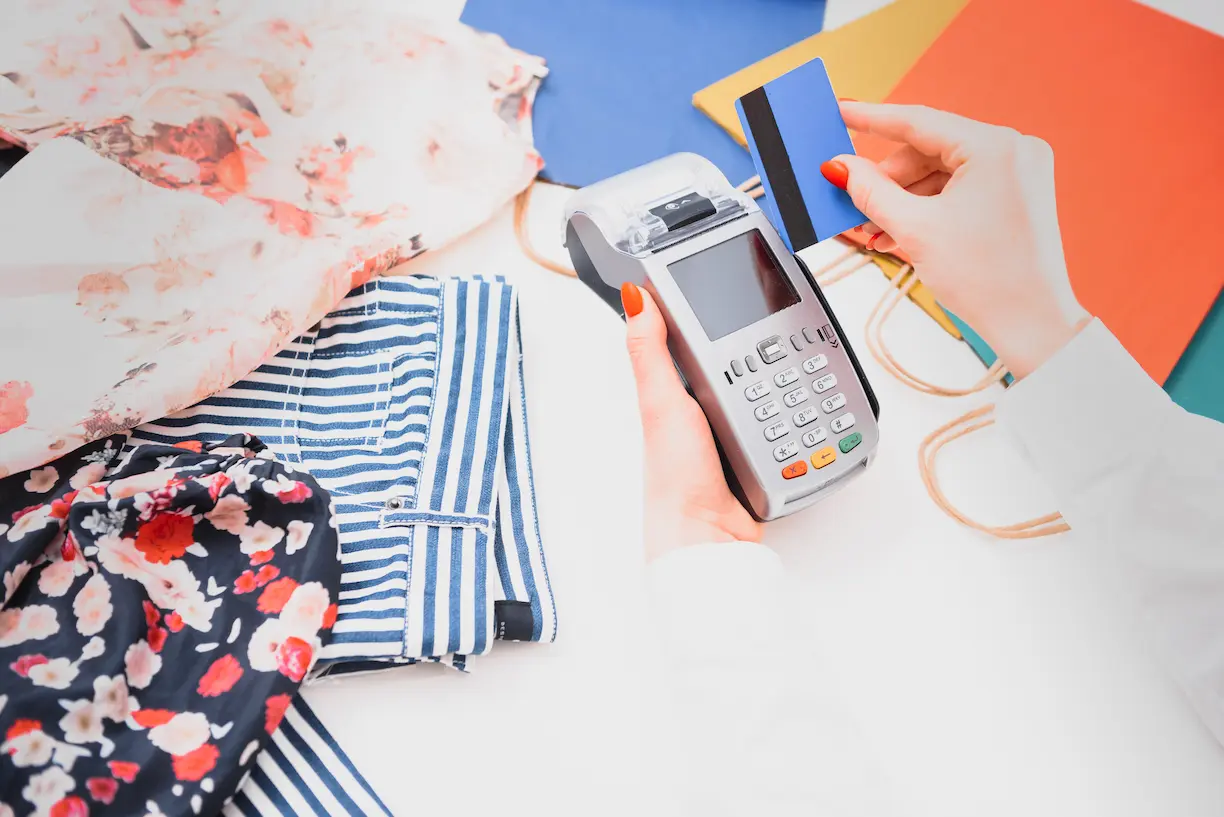
The industry standard is a 30/70 split, 30% of the order value paid as a deposit at purchase order confirmation, with the remaining 70% due before shipment, tied specifically to documentation proving the goods are actually moving, not a factory’s verbal assurance that they’re close.
That 30% isn’t a negotiating tactic dressed up as tradition; it covers real, immediate costs: raw material purchase and reserving your slot on the factory’s production schedule. It’s capital for actual expenses, not a leap of faith. Two things shift this baseline:
- First-time relationships or heavily customized orders sometimes see a 50% deposit request instead, since both carry more risk for the manufacturer.
- Established, repeat relationships can loosen toward 20/80 as a track record builds over successive orders.
A deposit near 100% on a first order isn’t a stricter version of normal, it’s a different category of risk entirely, and worth treating as such.
Where the Risk Actually Sits: Structures to Accept
Every payment method shifts risk somewhere. Here’s where it lands with each of the structures worth accepting.
Telegraphic Transfer (T/T), Staged Against Milestones
A direct bank-to-bank wire, and the default mechanism behind most 30/70 arrangements. The risk isn’t in the transfer itself, it’s in sending the full amount in one shot with nothing standing between your money and hope. Staged T/T, released only against specific, verified milestones, shifts the risk back toward balance: the factory bears the cost of getting started, and you retain the leverage of an unpaid balance until goods are actually ready.
Escrow or Trade Assurance
Escrow holds your payment with a neutral third party until agreed conditions are met, then releases it to the factory. Many B2B sourcing platforms build a version of this directly into the transaction as trade assurance; the platform holds your payment and runs a dispute process if the order doesn’t match what was agreed. For a first order with an unfamiliar factory, this shifts risk away from your read of the supplier’s character and onto a documented, third-party process instead, genuinely useful when you have no track record to lean on.
Letter of Credit (L/C) for Larger First-Time Orders
A Letter of Credit puts a bank between you and the factory: payment only releases once the factory presents documents proving shipment, often including a passed inspection. Slower and costlier to arrange than a wire transfer, and typically reserved for larger orders, but it removes “pay and hope” risk entirely, shifting the verification burden onto a bank instead of your own judgment.
Where the Risk Actually Sits: Structures to Refuse

100% Upfront, No Gate
This single structure sits behind nearly every “they took my money and vanished” story in this industry. Full payment before production starts means there’s no leverage left the moment something goes wrong, no balance to withhold, and no card left to play.
Net 30 or Net 60, Offered Unprompted on a First Order
Net 30 and Net 60, where the factory ships first and invoices you 30 or 60 days later, sound like the best possible cash flow outcome for a buyer. Be cautious anyway. These terms are typically earned through an established relationship, not handed to a brand-new customer by default. A factory offering generous Net terms upfront, unprompted, on your very first order can reflect genuine confidence in the relationship, or it can reflect a factory using your order to solve its own short-term cash flow problem, which has nothing to do with protecting your interests. Ask why you’re being offered it before treating it as a win.
Building the Gate Structure: Deposit → Sample → Inspection → Balance
Percentages alone don’t protect you. What protects you is refusing to release money until a specific, verifiable condition has actually been met.
Gate 1: PO confirmation → deposit. Before this move, get a proforma invoice in writing with the agreed transparent pricing, clothing manufacturer, quantities, specifications, and payment terms spelled out plainly. The 30% deposit unlocks fabric sourcing and a booked production slot. Nothing has been made yet.
Gate 2: Pre-production sample approval → no payment required. This is the gate most first-timers skip, and it’s the one that would have caught nearly every “the fabric wasn’t what I ordered” complaint before it ever reached bulk production. A pre-production (PP) sample gets sent for your sign-off. Approve it in writing. No money should change hands here, but bulk production shouldn’t start without your approval either.
Gate 3: Mid-production inspection → the checkpoint most orders skip entirely. For orders large enough to justify it, a mid-run check-in, video, in-person, or a third-party inspection service confirms things are on track before the entire run is complete. This is exactly the gate that prevents the “balance demanded with no photos” complaint: if you’ve already seen verified progress mid-run, a request for the final balance carries real evidence behind it, not just a claim.
Gate 4: Balance against copy of the bill of lading. The remaining 70% releases only once you hold a copy of the bill of lading (B/L), proving the goods have actually been handed to a shipping carrier. This is the single most misunderstood detail among first-time founders: the balance is tied to shipping documentation, never to a factory’s internal sense that production is “basically finished.”
A 200-Unit Hoodie Order, Mapped Week by Week

Abstract percentages are easy to agree to and easy to forget. Here’s what they actually look like against a real order, 200 hoodies at $24 FOB per unit, for a total order value of $4,800:
| Week | What’s Happening | Payment Due | Total Paid So Far |
| 0 | PO confirmed | $1,440 deposit (30%) | $1,440 |
| 1–3 | Fleece sourced, dyed | — | $1,440 |
| 4 | PP sample approved in writing | — | $1,440 |
| 5–8 | Bulk cutting and sewing | — | $1,440 |
| 6 | Mid-production check-in | — | $1,440 |
| 9 | Inspection passed, B/L issued. | $3,360 balance (70%) | $4,800 |
| 10–11 | In transit | — | $4,800 |
The number worth staring at: for nine full weeks, only $1,440, under a third of the order, has actually left your account, while the factory does the real work of sourcing, cutting, and finishing your goods. The remaining $3,360 only moves once a real, checkable document exists proving the goods are in transit. At no point in this timeline is your exposure larger than what you’ve already received in return.
If Something Still Goes Wrong: The Documentation That Actually Helps
Even a well-structured payment plan doesn’t guarantee a perfect order. Colors can run slightly off. A shipment can slip past a reasonable delay. What actually helps you at that point isn’t a strongly worded email; it’s what you’ve been quietly collecting since week zero.
Keep these from day one, without exception:
- The proforma invoice, and any revised version, showing agreed price, quantity, and spec
- Your written PP sample approval, plus the physical or photographed sample itself as your reference point
- Any inspection reports, especially pre-shipment, with dated photos attached
- A clean record of every payment, tied to the specific milestone it corresponds to
If part of your payment was moved by credit card, a chargeback becomes a real option, but it works far better with a documented paper trail showing what was promised against what actually arrived. A trade assurance claim through a sourcing platform runs on the same logic: a vague sense that something felt wrong doesn’t hold up, but a dated proforma invoice and an approved sample photo do.
Here’s the plain truth worth internalizing: a wire transfer sent outside any card network or platform protection, with no documentation trail behind it, offers close to nothing in the way of formal recovery if things go badly. The payment structure and the paperwork aren’t two separate precautions; they’re the same protection, built in parallel from the very first invoice.
What Tack Apparel Actually Asks For
Since transparency is the entire point here, this is exactly what we require: a 30% deposit at purchase order confirmation, a non-negotiable PP sample approval gate before bulk production begins (with no payment due at that stage), and the remaining 70% balance due against a copy of the bill of lading, never sooner. We don’t ask for 100% upfront on any order, full stop, and for first-time buyers we’ll talk through escrow or trade-assurance options rather than defaulting to an unprotected wire transfer.
If a manufacturer can’t tell you their payment structure this specifically on the first call, ask why, and if you’re exploring private label manufacturing instead of a fully custom run, hold that conversation to the exact same standard.
Structure the Money Before You Structure the Order

Nobody in a bad-review thread lost their deposit to a badly chosen percentage. They lost it to having no gate between their money and a finished product and no paperwork to point to when things went sideways.
A properly staged payment isn’t a slower or more suspicious way to do business; it’s the standard any legitimate factory will recognize immediately, and it’s what keeps your cash flow intact at exactly the moment it’s most exposed.
See our terms for yourself, request a quote from Tack Apparel, and get the payment structure in writing before a single dollar moves. Contact us!
Frequently Asked Questions
How much deposit is normal for clothing manufacturing?
A 30% deposit at purchase order confirmation is standard, covering the factory’s material and capacity-booking costs. First-time or heavily customized orders sometimes call for 50% instead, with the balance held until shipping documentation is issued.
Should I pay a clothing manufacturer in full up front?
No. A full upfront payment removes every point of leverage; there’s no balance left to withhold if a sample fails or quality slips mid-run. A staged structure with a documented approval gate before the balance is due protects your cash flow without costing anything extra.
What does 30/70 payment terms mean?
It’s a split where 30% of the total order value is paid as a deposit at PO confirmation, and the remaining 70% is paid before shipment, specifically against a copy of the bill of lading, not simply on the factory’s word that production has wrapped up.
Can I get Net 30 terms as a new clothing brand?
Rarely on a first order. Net 30 or Net 60, where the factory ships before requiring payment, is typically earned through an established relationship. If a new, unfamiliar factory offers it upfront, ask why; it may reflect genuine confidence, or it may reflect the factory managing its own cash flow through your order.
What happens to my deposit if the samples fail?
This needs to be agreed upon in writing before any deposit moves. Reputable factories revise and resend a failed sample at their own cost, since bulk production shouldn’t begin until the pre-production sample is formally approved. A manufacturer unwilling to commit to a sample-revision policy before taking a deposit is a reason to pause before proceeding.