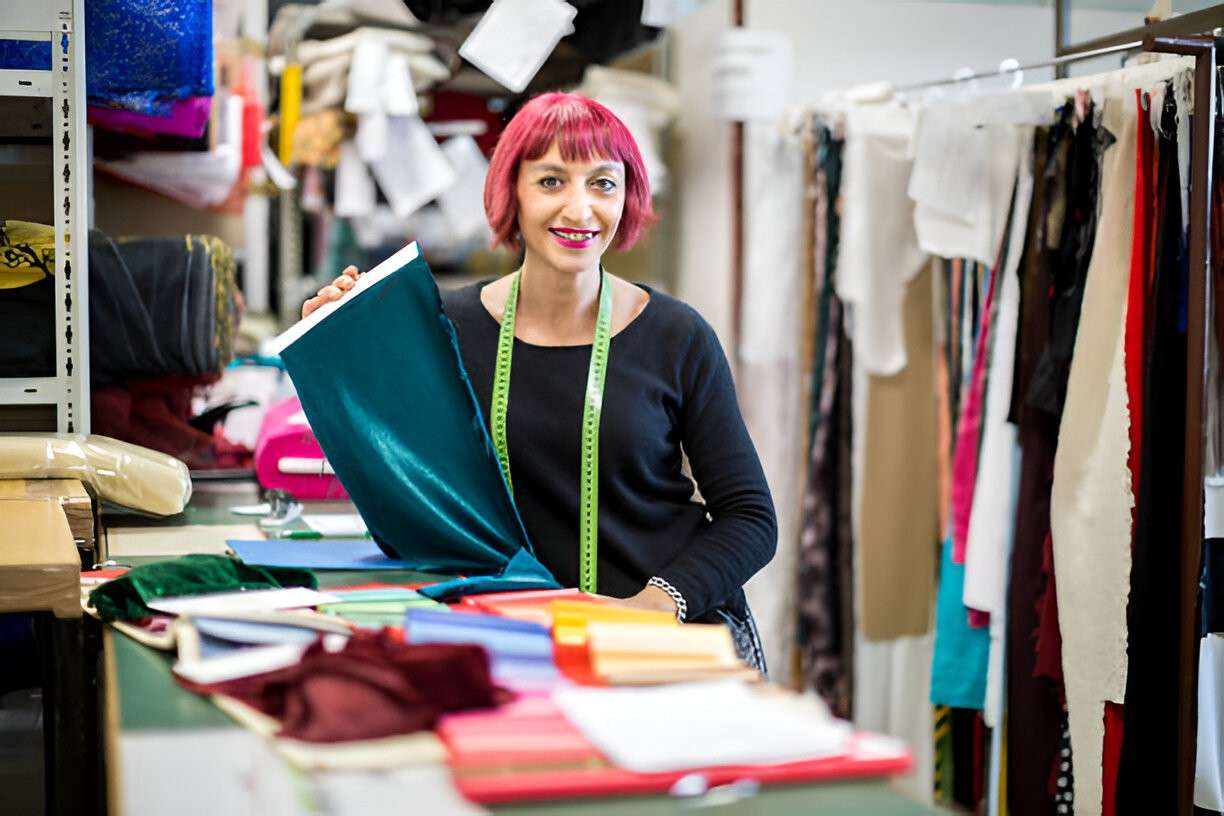
In apparel manufacturing, precision is everything. From fabric selection to final stitching, every small detail impacts the success of bulk production. This is where clothing samples play a critical role. Clothing samples act as the physical blueprint of a garment, allowing brands and manufacturers to test, review, and perfect designs before full-scale production begins.
For clothing manufacturers, sampling is not just a preliminary step, it is a strategic process that directly influences production efficiency, quality consistency, cost control, and delivery timelines. Without proper sampling, production lines face higher risks of errors, delays, and costly revisions. When done correctly, clothing samples streamline the entire production workflow and ensure smoother execution from concept to shipment.
What Are Clothing Samples?
Clothing line samples are prototype garments created before mass production to evaluate design accuracy, fit, fabric performance, construction quality, and finishing standards. The sample acts as a reference point for both the brand and manufacturer before starting the mass production of the garment.
Different types of garment samples are developed during the apparel production process. Each cloth sample serves a specific purpose; for example, fit testing, validation of fabrics, or confirming the readiness for production. Samples also allow the manufacturer to identify potential problems with the garment earlier in the process so that corrective action can be taken before the manufacture begins.
Why Clothing Samples Matter Before Production
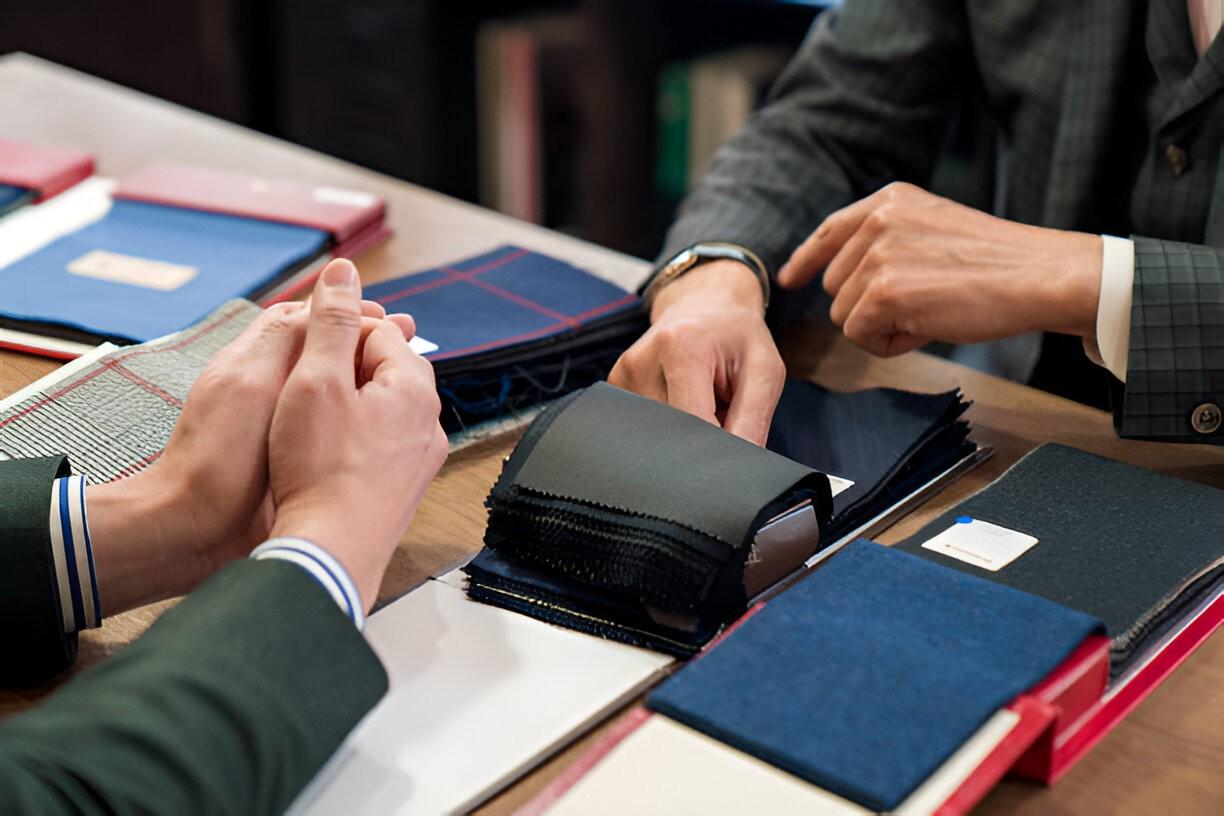
Design Validation & Prototype Testing
Design ideas and technical drawings become actual clothing with clothing brand samples. Although technological packs offer standards, a physical example shows how a design actually appears and operates in the real world. It enables companies to assess overall design, fabric drapes, garment construction, and ratios.
Prototype testing helps producers to find faults in design, including uneven paneling, incorrect seam position, or construction difficulties. Correcting these errors during the sampling phase guarantees the ultimate garment matches the sample clothing brand’s vision and avoids costly design modifications during mass manufacture.
Accurate Fit & Sizing Checks
Among the most frequent reasons for manufacturing errors and customer dissatisfaction are sizing and fit. Clothing sample makers use clothing samples to check the fit of a garment on mannequins or actual models, therefore confirming that measurements match size requirements.
Fit samples improve comfort levels, body breadth, sleeve length, and garment proportions. Additional certainty on grading across all sizes comes from the sample size. Early validation of fit helps manufacturers to lower the possibility of returns, rejects, and bulk manufacturing mistakes resulting from irregular sizing.
Quality Control & Risk Mitigation
Before production starts, assessing general garment quality requires samples of clothing. They let manufacturers assess fabric behavior, stitch strength, seam longevity, trim location, and finishing quality.
Sampling assists in spotting possible quality issues, including fabric shrinkage, color bleeding, sloppy stitching, or bad trims. Dealing with these problems during the sample phase greatly lowers production waste, revisions, and quality flaws during large-scale production.
Production Line Standardization
Once a clothing sample is approved, it becomes the baseline for all production line work. The sample advises production crews on stitch techniques, sizes, and finishing requirements as well as construction methods.
Consistent results across all batches and sizes are guaranteed by standard samples. They enable operators to adhere to defined rules, minimize variation, and keep consistent quality throughout the manufacturing process. Keeping efficiency and dependability in high-volume manufacturing depends on this standard.
How Clothing Samples Streamline the Production Line
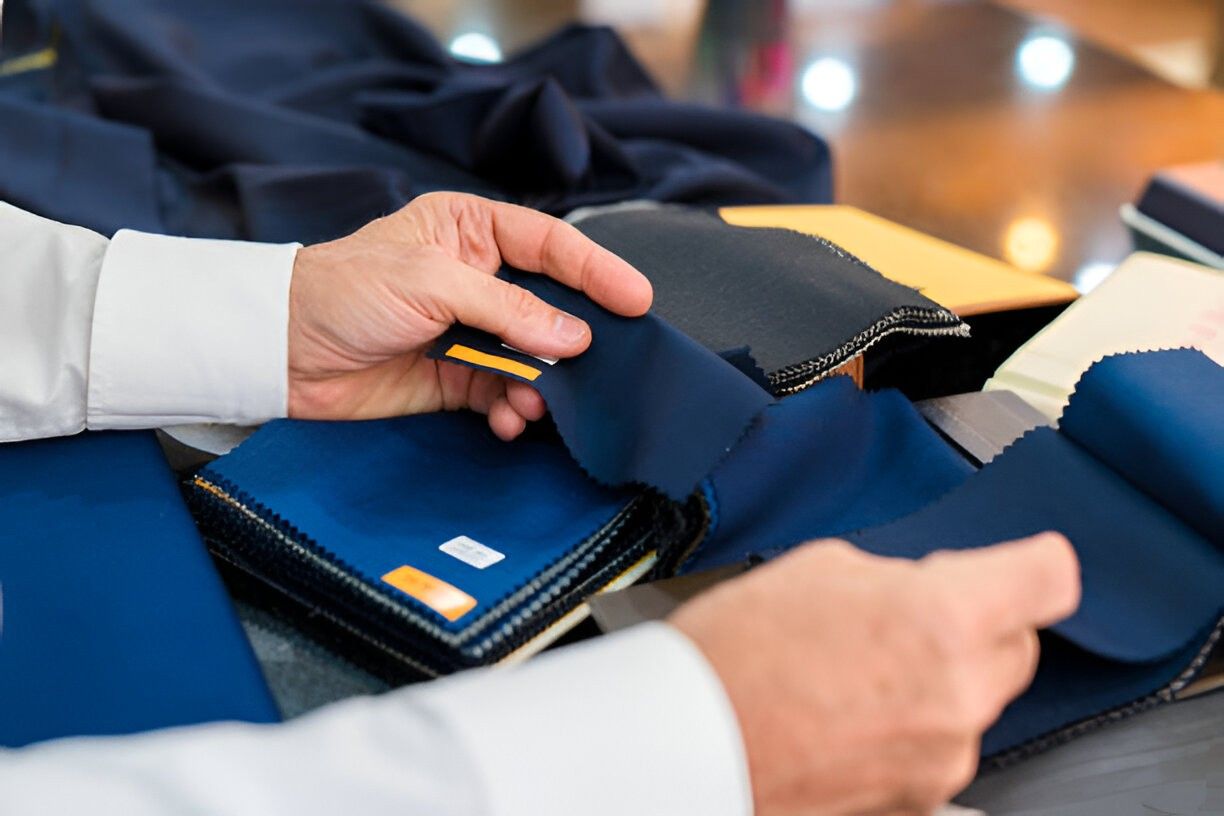
Clear Manufacturer-Brand Communication
Among the main problems in clothing manufacturing is miscommunication between companies and factories. Universal references provided by clothing samples remove uncertainty. Both sides can visually and physically assess the garment rather than depending only on written directions.
Samples help to define expectations for fit, material feel, construction specifics, and finish grade. This alignment produces a more seamless production flow by lowering misunderstandings, repeated edits, and approval delays.
Faster Problem Detection & Correction
Sample clothing lets producers identify design or construction problems early on. Before mass manufacturing begins, problems, including wrong measurements, faulty stitching methods, or inappropriate materials, can be found and fixed.
Early adjustments help to avoid material waste, manufacturing shutdowns, and last-minute modifications. This forward-looking approach helps to reduce expensive interruptions and keep the production line running smoothly.
Shorter Production Lead Times
A properly implemented sampling procedure speeds approvals and lowers back-and-forth edits. Brands can quickly approve designs when samples are properly created and thoroughly examined, therefore enabling manufacturing to start on schedule.
Predictable schedules, more capacity planning, and smoother scheduling are all outcomes of effective sampling. Manufacturers can thus satisfy delivery dates more reliably and cut down on general production turnaround times.
Business & Financial Benefits of Proper Sampling
From a company’s point of view, good clothing samples provide financial advantages over time. Sampling enables producers to project more precise pricing by helping them assess material usage, labor costs, and production schedules.
Good sampling reduces the risk of rejected orders, reduces mass-production errors, and minimizes waste. It also enhances customer-manufacturer confidence, which raises the probability of recurring orders and long-term collaborations.
How Much Does It Cost To Get A Clothing Sample Made?

The clothing sample cost typically ranges from $50 to $300 per piece, depending on factors such as garment complexity, fabric type, trims, construction details, and the level of pattern development required.
Simple items like basic T-shirts or hoodies fall on the lower end, while tailored, embellished, or multi-panel garments cost more. Although sampling costs are higher per unit than bulk production, investing in accurate clothing samples helps prevent costly errors, rework, and quality issues during mass manufacturing.
Common Sampling Mistakes to Avoid
- Approving sample cloth without proper fit testing, which can lead to sizing issues and customer dissatisfaction during bulk production.
- Using substitute fabrics without thorough evaluation, often resulting in unexpected changes in drape, durability, or shrinkage.
- Relying on incomplete or unclear tech packs, increasing the chances of construction errors and repeated revisions.
- Skipping performance tests such as shrinkage, wash, and colorfastness testing, which may cause quality failures after production.
- Rushing the sampling process to meet tight deadlines, leading to overlooked flaws that become costly during mass manufacturing.
Avoiding these common mistakes ensures that clothing samples accurately represent production-ready garments and support a smooth, efficient production line.
Integrating Digital Tools With Physical Clothing Samples
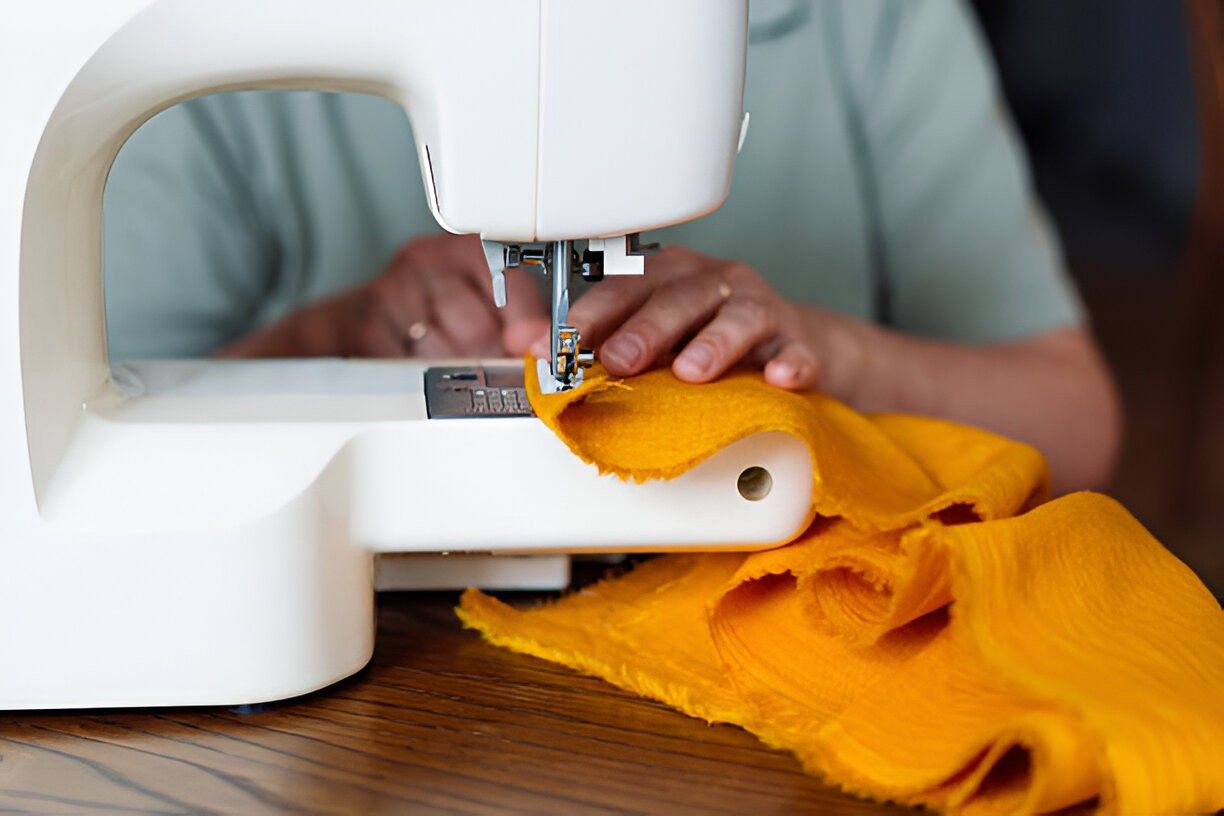
Modern clothing production progressively integrates traditional sampling techniques with digital tools. Companies can virtually inspect clothing designs before producing actual samples using digital design and 3D visualization tools.
Physical clothing samples are still vital for assessing fabric texture, quality of construction, and real-world performance, even if digital sampling quickens first approvals and minimizes unnecessary revisions. Together, actual samples and digital technologies provide a more cost-effective and effective sampling strategy.
Sample Cost vs. Production Value
Lower numbers and hand changes cause samples of clothing to normally be more unit expense than bulk garments. Still, this initial cost is little when weighed against the monetary losses brought on by production mistakes, revisions, or rejected shipments.
Clothing sample makers who invest in exact sampling save money in the long run by reducing trash, fewer corrections, and higher manufacturing efficiency. Sampling is a defensive investment in reliability and production quality; it is not a cost.
Final Thoughts: How Clothing Samples Drive Production Success
The foundation of a good and trustworthy apparel manufacturing line is cloth samples. They verify design purpose, guarantee exact fit, regulate quality, and streamline production procedures. Sampling is required for B2B clothing producers; it helps to reduce risks and maximize operating effectiveness.
Manufacturers can simplify procedures, lower manufacturing mistakes, and provide consistent, high-quality clothes at scale by investing time and money in appropriate clothing samples. Strong sampling eventually results in long-term company success, better customer connections, and less production. Start your production right with expertly crafted clothing samples from Tack Apparel.