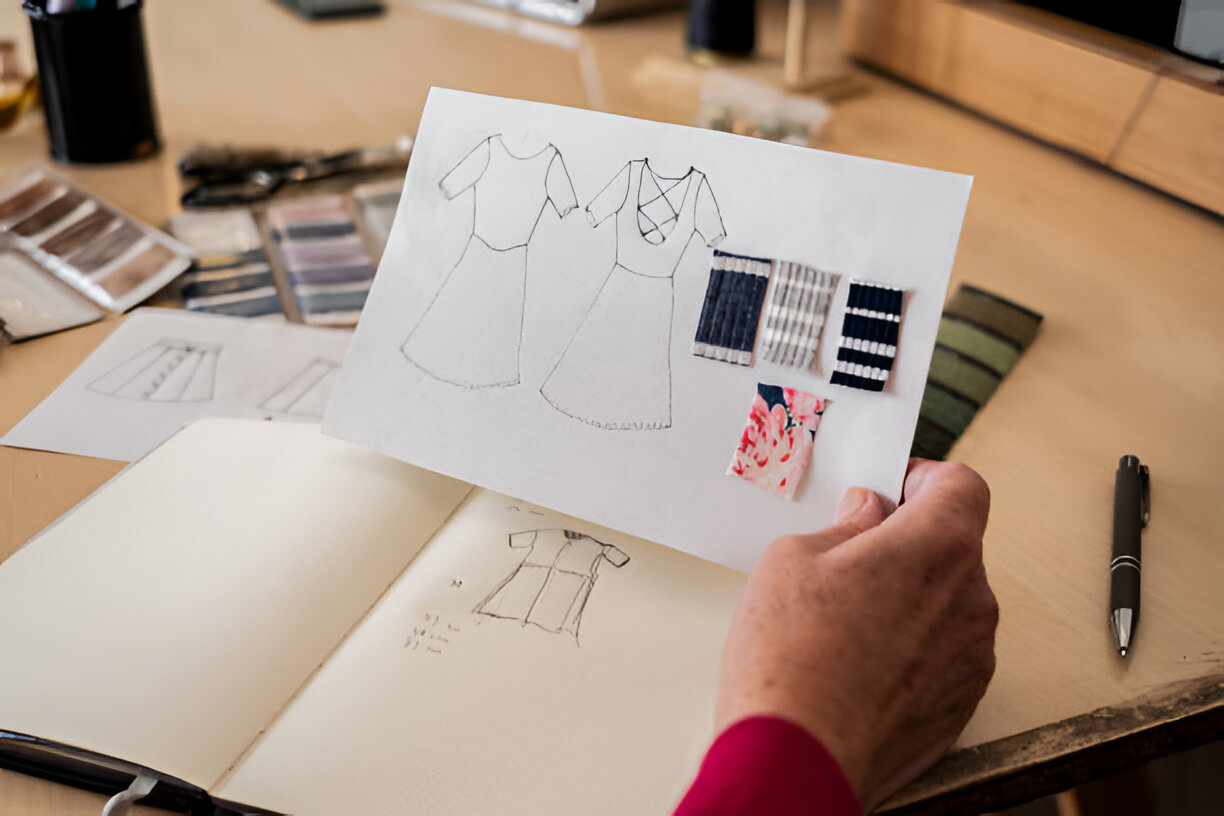
A fashion line sheet is a simple but powerful document that showcases your products in a clear, professional way for buyers and manufacturers. It is crucial in bulk sourcing for B2B clothing manufacturing, as it clearly displays designs, pricing, and manufacturing specifications. A well-arranged line sheet enables customers to rapidly grasp your collection, make sure decisions, and avoid misunderstandings. During bulk manufacturing, it also helps with precise costing, better communication, and fewer manufacturing errors.
Role of a Fashion Line Sheet in B2B Apparel Manufacturing
Clarity in communication is most essential in B2B clothing production. A fashion line sheet, one of the primary references, can ensure that companies and manufacturers remain consistent with specifications of the products, their prices, and estimates regarding the production. By serving as a key tool in production management in fashion, it ensures that all those involved are aware of exactly what is being manufactured, its cost, and the time required, simplifying bulk sourcing decisions.
What Is a Line Sheet in Fashion?

A systematic document known as fashion line sheets displays your creations in a simple, readable manner. It comprises pricing, garment measurements, color, fabric information, style numbers, and product photos.
Line sheets are more pragmatic and sales-driven than lookbooks, which concentrate on branding and narration. For production purposes, catalogs, on the other hand, tend to be more expansive and less specific. Designed specifically to help buyer decisions and manufacturing negotiations, line sheets.
Why Fashion Line Sheets Matter for Manufacturers and Buyers
By compiling all relevant data in one location, line sheets fashion enable producers and consumers to communicate more efficiently. This simplicity helps to lower repetitive questions and misinterpretations.
For manufacturers, accurate line sheets help with proper costing, realistic production scheduling, and efficient order verification. For purchasers, they simplify the process of style comparison, requirement understanding, and confident bulk order placement.
Step-by-Step Guide to Creating a High-Converting Fashion Line Sheet

To make a fashion line sheet, you can simplify the procedure by breaking it into obvious, manageable parts. Every stage aims at enabling buyers to rapidly grasp your products while providing manufacturers with the information they need for correct costing and faultless production. Properly followed, this step-by-step method turns your line sheet into a strong sales and communication tool.
Step 1 – Define the Purpose and Target Buyer
Begin by determining the intended use of the line sheet. Wholesalers, merchants, or private label customers are your target audience? Every audience anticipates different prices and details. Furthermore, think about whether your customers are local or global since this may influence delivery times, sizing standards, and currency. Clearly concentrating on your buyers lets you include just what really counts.
Step 2 – Select Production-Ready Products
Select designs suited to your production capacity and prepared for mass production. Concentrate on designs that may be readily scaled without any quality problems. Too many products might overwhelm buyers and create confusion on fashion designer line sheet; hence, avoid adding too many. Often, a smaller, carefully chosen list does better than a long, congested one.
Step 3 – Organize Products by Category or Collection
Organize your items rationally to make the fashion line sheet designs simple to read. By seasonal, fabric kind, or product classification, you may arrange. This form assists customers in rapidly locating their desired item and contrasting comparable looks. Effective arrangement quickens decision-making and enhances the general buyer experience.
Step 4 – Add Complete Garment Specifications
B2B manufacturing demands clear garment details. Include construction specifications, fabric composition, GSM, and trims to prevent misunderstandings later. Discuss fit information, available colors, and size ranges as well. Complete specifications enable producers to offer precise pricing and guarantee the finished item satisfies demands.
Step 5 – Clearly Mention Pricing, MOQs, and Lead Times
Buyers want openness regarding pricing and production conditions. Wholesale rates, minimum order quantities, and lead times should be clearly indicated. If timelines apply for sampling, include those as well. This data helps customers design their orders and lowers needless back-and-forth correspondence.
Step 6 – Use Accurate and Production-Friendly Visuals
Use images that exactly reflect the real product. Flat lays, on-model images, or CADs all work well when used correctly. Ensure hues, design elements, and ratios are correct. Consistent and realistic images enable producers and consumers to reconcile expectations before production starts.
Step 7 – Apply a Clean and Professional Layout
A tidy design makes your fashion design line sheet more professional and simpler to grasp. Keep formatting consistent, including fonts, spacing, and picture placement, across every product section. A well-designed design lets consumers quickly assess material and make faster decisions.
Step 8 – Include Manufacturer Credentials and Capabilities
Including product information fosters consumer confidence. Emphasize production capacity, factory strengths, equipment, and any applicable compliance standards. To demonstrate reliability, briefly describe your sampling and quality control strategy. This gives customers confidence that their purchases will be expertly processed.
Step 9 – Review, Test, and Optimize for Conversions
Review your line sheet thoroughly for inaccuracies, missing facts, or obsolete pricing before distributing it. Share it with reliable purchasers or internal teams to evaluate it. Regular updates, depending on seasonal changes and customer feedback, guarantee that your line sheet remains conversion-focused and efficient.
How a Strong Fashion Line Sheet Improves Manufacturing Outcomes
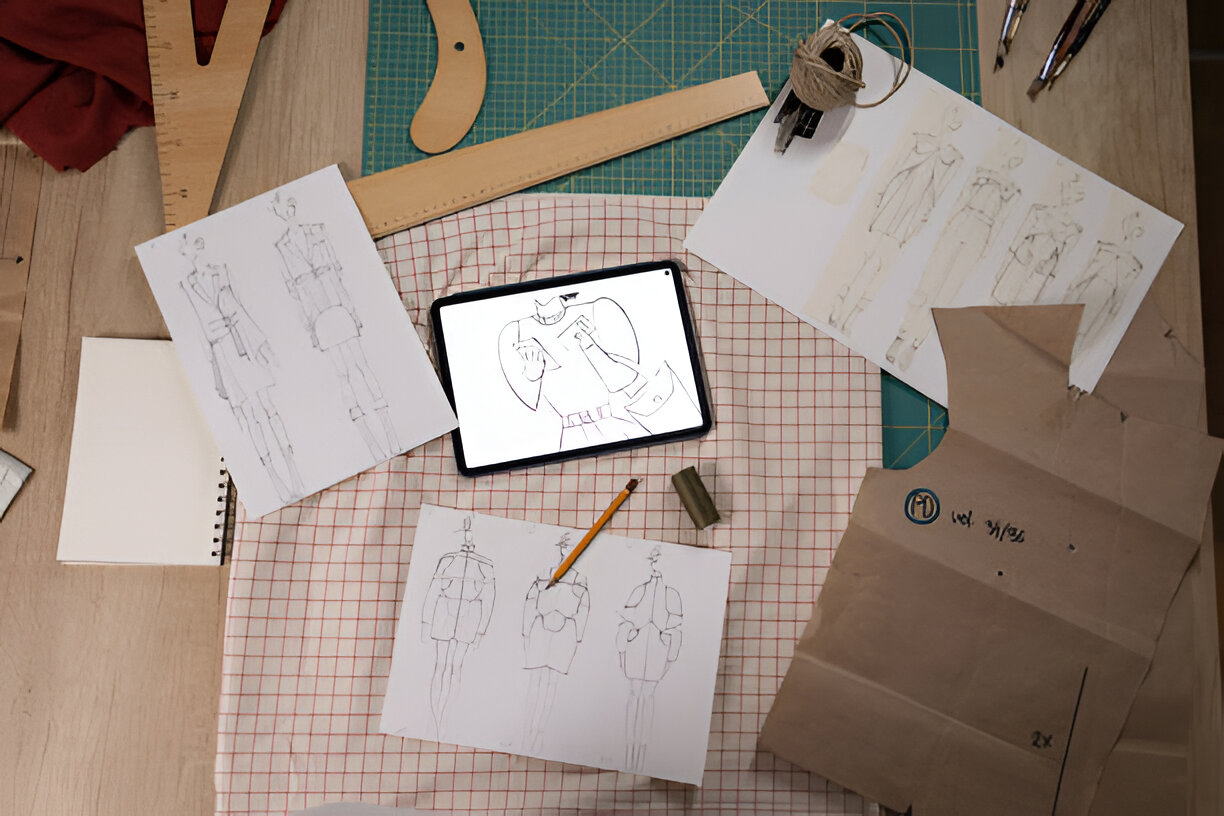
Well-prepared fashion line sheets straight benefit the manufacturing process in addition to helping sales. Clearly laying out product specifications, price, and expectations helps producers plan more effectively, lower errors, and provide predictable results. This clarity helps brands and clothing manufacturers to collaborate more closely and leads to more seamless manufacturing processes.
Minimizing Errors in Costing and Bulk Production
Correct cost calculation gets much easier when a fashion line sheet provides precise and thorough specifications. Clear fabric information, trims, dimensions, and construction notes help cut down on speculation during costing and sampling. This precision enables timelines to remain on track, prevents errors in massive manufacturing, and eliminates rework.
Building Long-Term Brand–Manufacturer Partnerships
By keeping everything open from the start, a powerful line sheet promotes confidence. Brands’ precise requirements let producers supply precisely what is expected. This transparency improves operational efficiency, lowers misunderstandings, and develops a more fluid working relationship that supports long-term growth for both sides.
Difference Between A Line Sheet And A Catalog
The main distinction between a line sheet and a catalog is their level of detail and intended use, particularly in B2B apparel manufacturing.
Used in B2B contexts, a line sheet is a sales-oriented document. Designed for manufacturers and customers, it features explicit product photos, style numbers, fabric descriptions, sizes, colors, price, MOQs, and lead times. It aims to enable customers to swiftly grasp the products and submit orders while also promoting correct pricing and manufacturing.
A catalog, by contrast, has a greater marketing focus. Usually lacking technical or pricing specifics, it highlights a larger product line with appealing pictures and brand narrative. Promoting is best done through catalogues; line sheets are vital for ordering and manufacturing decisions.
Difference Between A Line Sheet And A Lookbook

The audience and objective of a line sheet are what distinguish it from a lookbook.
Used in B2B fashion, a line sheet for startup fashion is a sales-driven document that is practical. It emphasizes accurate product information, including pricing, MOQs, and production specifics, as well as color, size, and fabric. Line sheets enable customers and producers to make wise judgments and confidently place big orders.
On the other hand, a lookbook is meant for marketing and branding. Through stylized imagery, imaginative layouts, and storytelling, it highlights a collection to reflect the brand’s vision and aesthetic. While line sheets offer the pragmatic information required for production and sales, lookbooks spark interest.
Difference Between A Collection And A Line In Fashion

Mainly about scope and intent, the disparity between a line in fashion and a collection is a bigger category of patterns a brand releases for a given season, subject, or effort. It captures the brand’s general vision, style, and trends for the current year.
For instance, a “Spring 2026 Collection” could include outerwear, tops, bottoms, and dresses, all created to follow a unified theme. Runway shows, lookbooks, or marketing initiatives sometimes use collections.
A line is a more particular subset of a set. It typically relates to a collection of goods with the same design, fabric, or target audience. Within the Spring 2026 Collection, for example, there could be a “Casual Daywear Line” or a “Luxury Eveningwear Line.” Lines simplify navigation and order placement for customers; they are frequently the units shown in fashion collection line sheets.
In short: collections = big seasonal vision; lines = specific groups of products within that collection.
Optimizing Line Sheets for Smooth Manufacturing
Providing precise product descriptions, pricing, and production data, a well-made professional line sheet fashion simplifies B2B manufacturing by means of a strong tool. Following a step-by-step approach guarantees accuracy, lowers mistakes, and hastens massive orders. As strategic sourcing partners, manufacturers are instrumental in pointing companies toward the development of line sheets fitting their production capacity. Brands and producers can maximize fashion design line sheets, boost communication, and create smoother, more effective manufacturing processes that both sides benefit from by working closely.