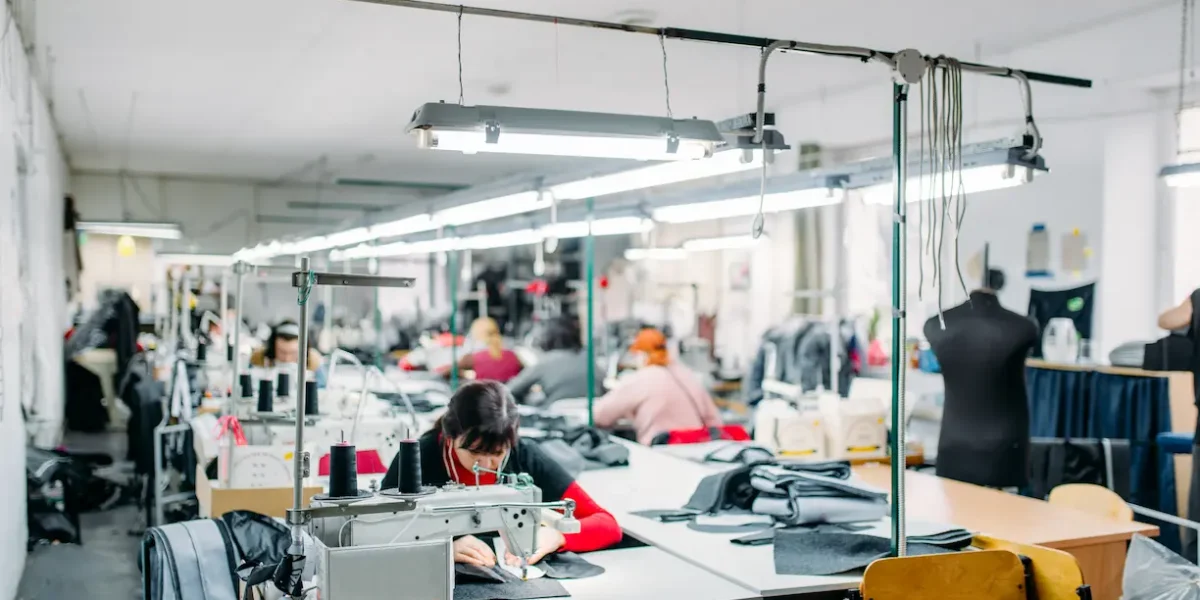
The global streetwear market continues to expand in 2025, and hoodies remain one of its strongest revenue drivers. Among streetwear icons, stussy hoodies stand out for their bold graphics, cultural relevance, and timeless appeal. For emerging brands, private labels, and fashion startups, creating a custom Stussy-inspired hoodie is not just about aesthetics, it’s about building identity, credibility, and long-term brand value.
Modern Hoodie Design Trends
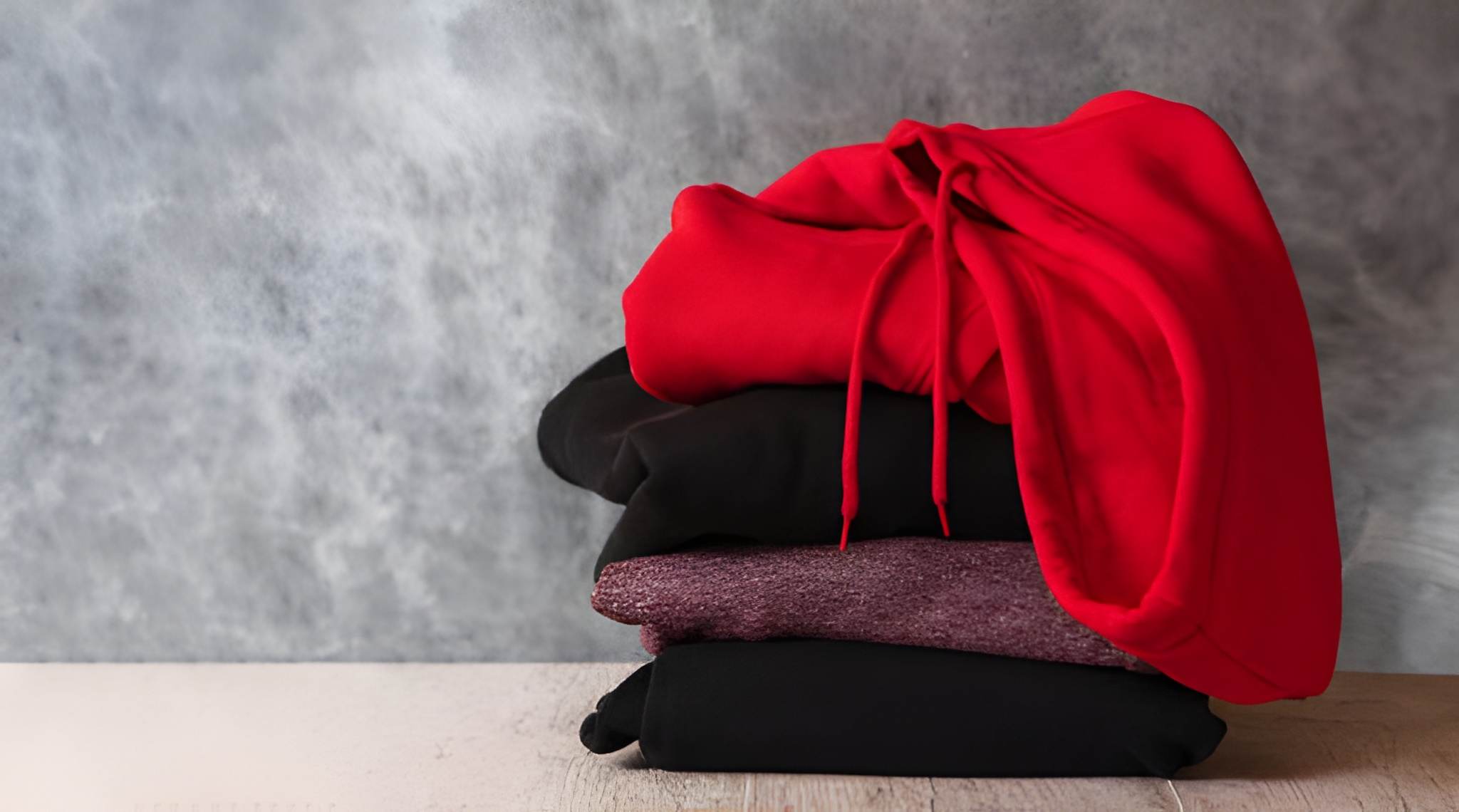
Streetwear hoodies have changed beyond simple emblem prints. Originality, narrative, and premium detailing propel custom hoodie design in 2025. While strong typography, hand-drawn graphics, and graffiti-style artwork capture the raw aesthetic linked with Stussy-inspired designs, oversized silhouettes still reign, influenced by skate culture and urban fashion.
Trends in hoodies are also being shaped by material creativity. Brands are more and more selecting heavyweight cotton fleece, brushed interiors, and blended materials that mix comfort with longevity. Another important consideration affecting purchase choices is sustainability; organic cotton, recycled polyester, and low-impact dyeing techniques are becoming somewhat popular among fashion companies.
From a branding perspective, limited-edition drops and highly specialized targeting are becoming increasingly important, as brands move away from mass-produced designs and focus on curated collections that resonate with specific audiences.
This approach allows variations such as a stussy black hoodie for minimalist streetwear fans, a stussy grey hoodie for everyday versatility, a pink stussy hoodie for trend-driven consumers, and a red stussy hoodie for bold statement seekers, ultimately increasing perceived value and improving sell-through rates across different market segments.
When shoppers ask are Stussy hoodies oversized, the answer is generally yes, most Stussy hoodies are designed with a relaxed, streetwear-inspired fit that leans toward oversized, especially in classic pullovers. In terms of craftsmanship, are Stussy hoodies good quality is a common question, and the brand is widely known for using heavyweight fabrics, durable stitching, and long-lasting prints that justify its premium positioning.
As for care concerns, do Stussy hoodies shrink slightly, they can experience minimal shrinkage if washed in hot water or tumble-dried on high heat, which is why proper care is recommended. Overall, when considering how Stussy hoodies fit, they typically offer a boxy, comfortable silhouette that suits casual streetwear styling, with sizing that feels roomier than standard hoodies.
Step‑by‑Step Hoodie Design Process

This guide walks you through the complete process of creating your own custom Stussy hoodie design, from concept development to manufacturing and market launch, with a specific focus on B2B apparel production.
Defining Your Brand Aesthetic
It’s absolutely essential to establish your brand’s visual identity before creating a bespoke hoodie. Stussy-inspired hoodies are distinguishable by their audacious, defiant, and culturally driven tone. Your design should fit your brand’s values, be that minimal streetwear, classic surf culture, or modern urban fashion.
Establishing this identity depends much on typography. Often connected with streetwear branding are handwritten fonts, twisted lettering, and strong sans-serif types. Furthermore, color psychology is important since neutral tones such as black, beige, and grey remain mainstays, whereas vibrant contrast is provided by accent colors like neon green, burnt orange, and deep blue.
A clear aesthetic direction simplifies communication with your manufacturer during production and guarantees design consistency across collections.
Conceptualizing Your Hoodie Design

Once you have decided on your brand direction, the next step is transforming concepts into concrete designs. Usually beginning with sketching ideas or creating digital mockups with expert design tools, this process often starts. Before deciding on designs, many companies are now using AI-assisted design tools to play around with patterns, artwork, and graphical layouts.
The hoodie’s design goes beyond the chest emblem. Usually used to raise the attire are sleeve prints, back graphics, embroidered hood elements, and bespoke drawstrings. While preserving wearability, strategic placement improves aesthetic appeal and is particularly crucial for financial success.
Thinking from a production angle is crucial at this point. Designs should be appropriate for mass production without sacrificing quality, scalable, and repeatable.
Choosing Fabric, Fit, and Construction
Your stussy clothing hoodie’s comfort, longevity, and price positioning depend on the hoodie fabric you choose. Premium streetwear often favors heavyweight cotton fleece between 350 and 450 hoodie GSM. Stussy-style hoodies fit this fabric’s structure, warmth, and luxurious appearance.
Fit is yet another distinguishing feature. While oversized and loose fits dominate streetwear, tailored or cropped variations might suit specialized collections. Your manufacturer ought to be able to offer size grading options to fit several markets.
Construction features like reinforced stitching, ribbed cuffs, double-layered hoods, and metallic eyelets give perceived value as well as durability. These specifications set a professionally produced hoodie apart from cheap copies.
Selecting the Right Printing and Decoration Techniques

The method of decorating you select affects the ultimate appearance and endurance of your hoodie design. Bold, colorful designs and high-volume production runs still make screen printing a popular choice. For mass purchases, it is affordable and, if done properly, it yields durable prints.
Offering a premium and textured finish, embroidery is often employed for logos and small graphics. Techniques, including puff printing, heat transfer, or mixed-media treatments, are becoming somewhat widespread in streetwear production for more sophisticated designs.
Because every strategy has different cost ramifications, B2B buyers should choose décor methods according to design complexity, order volume, and target retail pricing.
Creating a Technical Pack for Manufacturing
Ensuring exact production, a technical pack is a vital document. It offers a template for your producer with precise specifications, including fabric composition, stitching details, color codes, artwork positions, and brand components, as well as garment dimensions.
Misunderstanding can cause sampling errors, delays, and higher production costs if there is no thorough tech pack. For B2B clothes production, a well-prepared tech pack simplifies the manufacturing process and reduces corrections.
Many companies provide design tech pack development services for brands without in-house design staff, making it a wise investment for new businesses.
Sampling and Prototyping
Before committing to a huge output, sampling is a crucial phase. A prototype enables you to assess print accuracy, fabric quality, fit, and general craftsmanship. It also lets one find design flaws and make required modifications.
Professional manufacturers often have several sampling steps, including pre-production samples and size set samples. Although it costs time and money, sampling greatly lowers the chance of errors during mass manufacturing and guarantees uniformity among units.
Choosing the Right Hoodie Manufacturer
Choosing the appropriate custom hoodie manufacturer is among the most crucial decisions made in the custom hoodie production process. A dependable B2B clothing manufacturer should provide ODM and OEM services, adjustable minimum order quantities, and knowledge in streetwear manufacturing.
Reliability is indicated by manufacturing capacity, such as embroidery, in-house printing, fabric sourcing, and quality control systems. Long-term alliances require openness in communication, realistic deadlines, and constant quality criteria.
Brands should also take into account a producer’s capacity to raise production as demand rises; this is essential for premium streetwear labels.
Understanding the Manufacturing Workflow
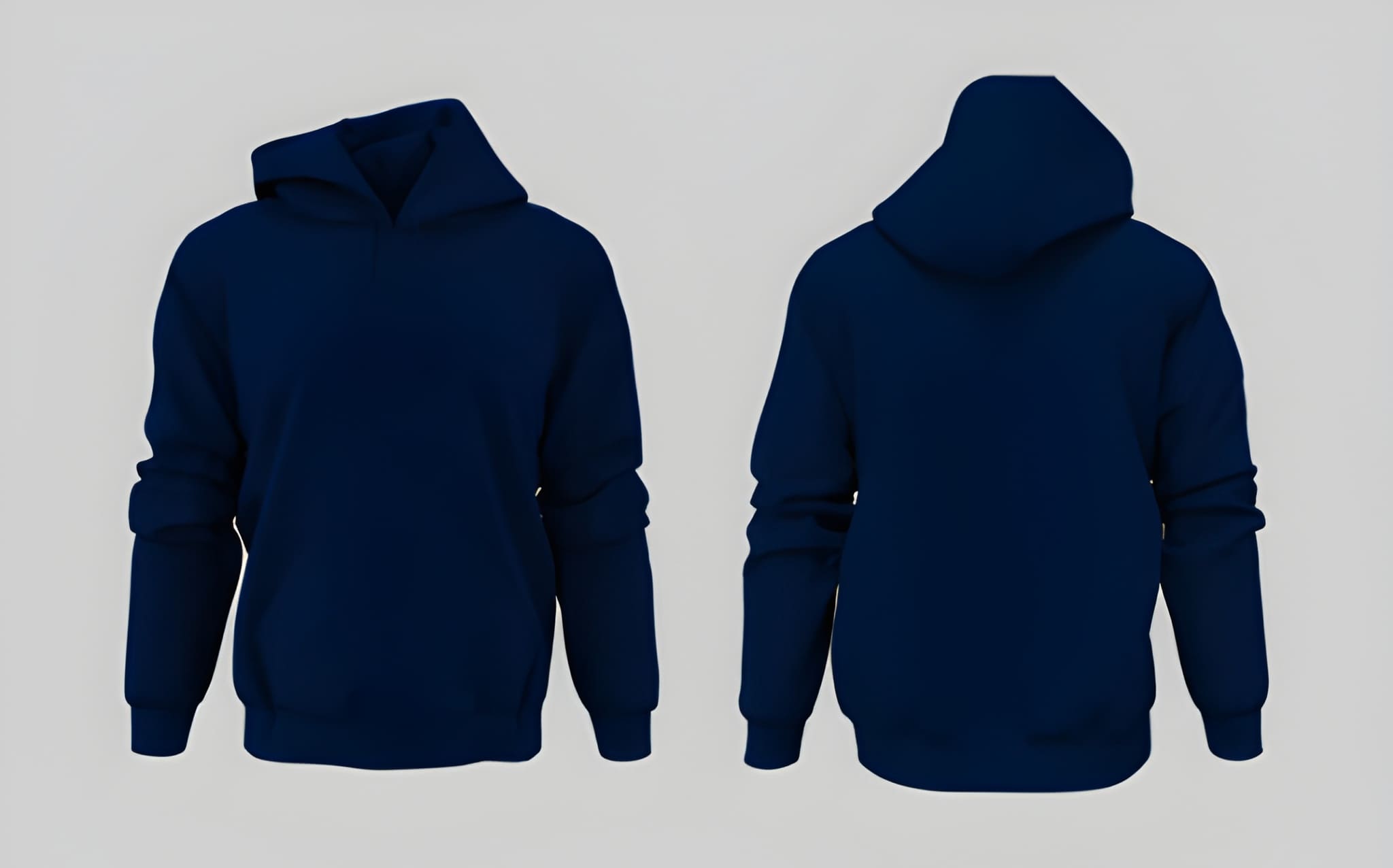
Sourcing of fabric starts the typical hoodie production process, then patterns are produced, cutting is done, sewing is completed, embellishment is applied, quality inspection is conducted, and finally, packaging is carried out. Every step demands close attention to detail to guarantee the result matches brand expectations.
Usually carried out at various levels, quality control inspections help to find flaws early. Customization of packaging, including branded labels, hang tags, and polybags, gives a professional touch and improves brand image.
Effective workflow management shortens lead times and enables businesses to release collections on plan.
Branding, Packaging, and Market Presentation

Branding reaches farther than the hoodie itself. Custom neck labels, woven tags, and high-quality packaging help to establish brand identity and explain increased retail pricing. Particularly for internet sales, packaging also affects consumer experience.
Investing in branding components at the manufacturing stage for B2B consumers lowers logistics and guarantees consistent deliveries.
Marketing and Launch Strategy
A strong Hoodie Business Plan is absolutely vital once production is finished, and streetwear brands often rely on social media platforms, influencer partnerships, and limited-edition releases to generate demand. High-quality product photography and compelling storytelling help communicate the value and inspiration behind pieces such as a stussy 8 ball hoodie, a stussy zip up hoodie, or a stussy hoodie sweatshirt, making them more appealing to target audiences.
Pre-order campaigns and exclusive drops further create urgency while reducing inventory risk, and for B2B customers, aligning marketing strategies with production schedules ensures a smooth transition from manufacturing to sales.
How Much Does A Stussy Hoodie Cost?

Usually costing as a mid-to-premium streetwear product, how much are Stussy hoodies depends on factors such as design, collection, and retailer. Typically ranging from $110 to $160 USD on legitimate Stussy online outlets and authorized merchants, standard pullover hoodies include many basic and World Tour designs usually priced around $120 USD at regular or sale rates. Premium pieces, artist collaborations, and limited-edition releases can retail higher, sometimes reaching $160–$250 USD or more, depending on the materials used and the exclusivity of the release.
Prices can be substantially higher when examining worldwide merchants and secondary markets; some Stussy hoodies are offered for over $150 USD, and certain styles surpass $200 USD, especially on sites like Farfetch, where streetwear pricing reflects seasonal demand and limited availability.
Stussy hoodies have been promoted at around Rs. 23,000–Rs. 31,000 PKR for genuine basic models in regional online stores (for instance, in Pakistan), illustrating how retail pricing might vary globally due to taxes, shipping, and store markup.
Because of the brand’s distinguished legacy and aesthetic appeal, consumers should expect to invest well beyond the typical cost of generic hoodies, whether Stussy sells hoodies as a mass-market product or a premium streetwear staple.
Conclusion
Making a Stussy-inspired hoodie demands considerably more than logo design. It calls for a dependable manufacturing partner, technical know-how, trend awareness, and strategic planning. Every stage, from establishing your brand aesthetic to choosing textiles, printing methods, and production procedures, helps the finished product be successful.
Collaborating with Tack apparel guarantees consistency, scalability, and quality for both brands and private labels. Following a methodical process for hoodie design and production will enable you to produce distinctive streetwear items that appeal to your audience and boost your brand’s standing in the cutthroat fashion industry.