The global streetwear market has transitioned from a niche subculture into a dominant multi-billion-dollar force that now influences the highest levels of luxury fashion. Success for aspiring entrepreneurs in this sector rests on overcoming simple aesthetics to develop a strong manufacturing plan for starting a streetwear clothing line. This handbook highlights how strategic production, including fabric choice, cost management, and quality control, lays the basis for creating a brand that is not only creatively pertinent but also scalable and profitable.
What Is Streetwear?

Streetwear is a subculture-oriented fashion genre that emerged in the 1980s and employs authenticity and self-expression instead of seasonality in its product design. Streetwear is mainly a communal trend developed on the basis of the 1980s teenage subcultures such as hip-hop, skating, and surfing.
Its primary products, hoodies and graphic tees have spilled over into luxury, although the performance of the industry continues to require storytelling and emotional attachment. Finally, consumers purchase a way of living and a sense of identity, thus brand values and quality that is maintained are as essential as the clothes themselves.
Understanding the Streetwear Business Model
Deeply related to cultural relevance and lifestyle positioning is the streetwear business model. Streetwear companies often depend on exclusivity, limited releases, and powerful brand stories to generate demand, unlike fast fashion. This method enables businesses to keep a stronger perceived value and consumer loyalty.
In this design, consistency and quality are rather important. Highly brand-conscious, streetwear customers anticipate premium materials, long-lasting construction, and accurate sizes. Particularly in the early phases of a brand, one quality issue can harm trust.
Equally crucial is branding. Logos, packaging, labels, and general display should reflect the brand’s personality. Many streetwear companies, therefore, decide to partner with B2B apparel producers that provide customization, low MOQs, and reliable production standards to help brand development without sacrificing quality.
How to Start a Streetwear Brand Step by Step
Step 1 – Research the Market and Define Your Niche
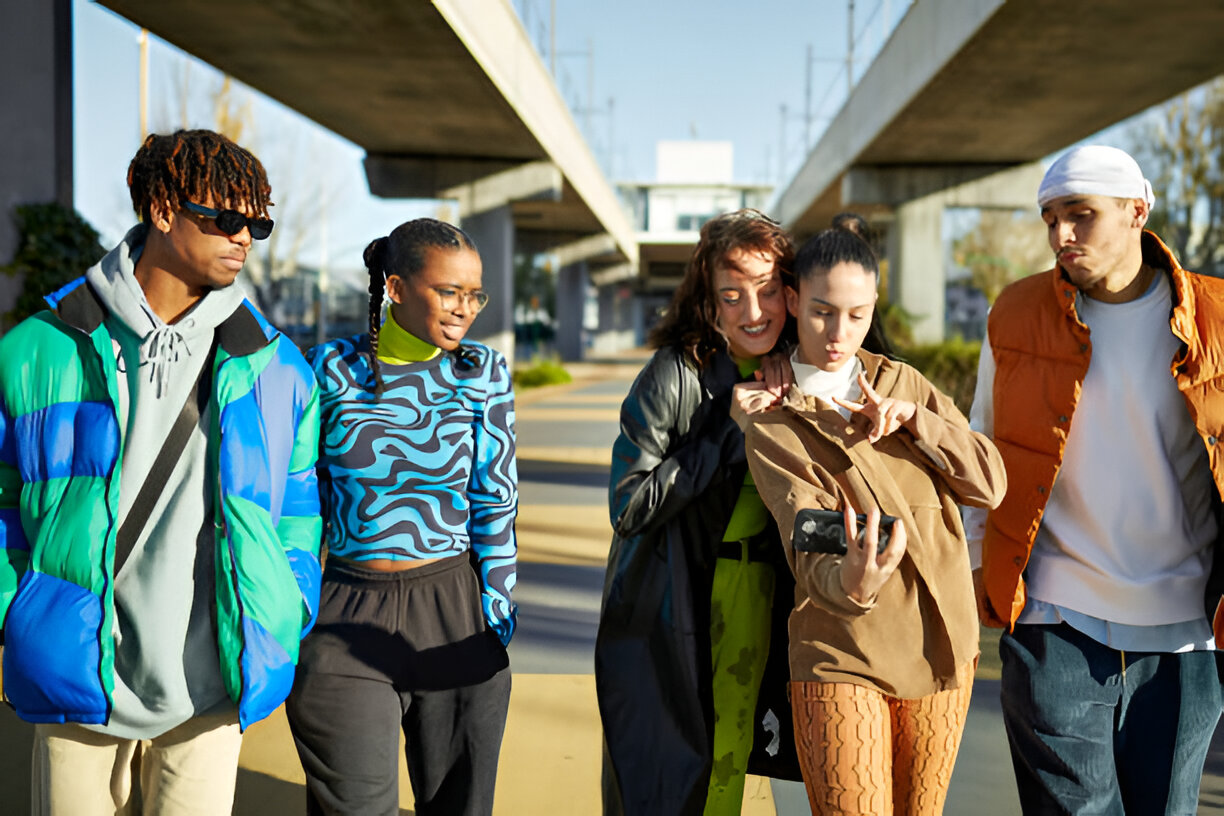
Any strong streetwear company starts with market analysis. Beginning with recognizing present trends, unfulfilled needs, and gaps in the market. Study well-known streetwear companies to find areas of opportunity and to grasp their success.
Competitor analysis helps you define product categories, branding approaches, and pricing targets. Simultaneously, distinguishing a specific niche, sustainable streetwear, enormous fits, or minimalistic styles, helps one to stand out.
You should also make certain your specialty matches manufacturing practicality. While certain patterns may be attractive, they are difficult or pricey to produce at scale. Early cooperation with a producer can help confirm concepts prior to major investment.
Step 2 – Build a Strong Streetwear Brand Identity
Beyond graphics, a powerful brand identity clarifies your company’s purpose. Describe your mission, principles, and ultimate vision. This clarity influences design choices, marketing campaigns, and even production decisions.
In streetwear, visual identity is really important. Logos, typeface, color schemes, and artwork should be consistent and clear on goods and media. Many brands collaborate with producers that can help with bespoke labels, woven tags, and branded packaging to strengthen identity.
Narrative and community development are also really important. Effective streetwear companies develop emotional relationships that go beyond the goods themselves by telling a narrative that connects with their audience.
Step 3 – Choose the Right Clothing Manufacturing Strategy

Selecting the appropriate production method impacts scalability as well as cost management directly. Print-on-demand provides low risk but restricted customization and reduced margins. However, Bulk manufacturing offers more control over branding, materials, and quality.
New streetwear labels will find low-MOQ manufacturing particularly advantageous low-MOQ manufacturing. Startups can use it to evaluate ideas without overspending their capital. Brands can slowly aim for larger production numbers as demand increases.
Working with a B2B clothes producer allows for improved margin management, steady quality, and long-term scalability—critical elements in creating a successful clothing brand.
Step 4 – Design Your Streetwear Collection
Planning your first collection calls for a careful strategy. Concentrate on fundamental streetwear items like hoodies, T-shirts, joggers, and caps that fit your niche and audience preferences.
Central to streetwear is graphic design. Designs ought to represent your brand’s personality, whether subtle or assertive. Preparing thorough tech packs, including materials, dimensions, and construction specifications, helps producers properly convert designs into finished clothes at this stage.
Clear design phase communication helps to lower mistakes, expedite sampling, and guarantee that the clothing manufacturer meets your standards.
Step 5 – Sampling, Testing, and Product Validation
Before large-scale manufacturing, sampling is an essential process. Physical examples let you assess fit, stitching, total build, and fabric grade. Early detection of possible problems in this phase saves later money and time.
Fit tests guarantee that clothes satisfy your size requirements and client expectations. Equally crucial is fabric analysis since customer happiness depends so much on comfort and endurance.
Before ordering big volumes, designs should be honed using sample feedback. A trusted producer will back many changes to maximize results.
Step 6 – Plan Pricing and Production Costs
Profitability calls for knowledge of production expenses. These costs comprise fabric, labor, trims, printing or embroidery, packaging, and transportation. Realistic retail prices are made possible by clear cost analyses.
Pricing should strike a balance between perceived value and competitiveness. Many times, streetwear buyers accept premium pricing when branding and quality warrant it. Effective margins management guarantees sustainability without sacrificing material or quality. Clear communication with your manufacturer encourages improved financial planning and helps you to save on unforeseen expenditures.
Step 7 – Launch Sales Channels for Your Streetwear Brand

Most streetwear businesses start with direct-to-consumer eCommerce sites where branding and customer experience are totally under management. Start and expand online made simple by Shopify and other platforms.
Early traction and brand recognition can also be produced by marketplaces and restricted drops. Once demand is set, certain companies investigate wholesale or retail collaborations. To prevent launch delays or stock problems, your selected sales channels should match production capacity.
Step 8 – Market Your Streetwear Brand Startup Strategically
Visible expansion depends on marketing. Instagram and TikTok are effective channels for displaying behind-the-scenes material, collaborations with influencers, and ideas.
SEO and content marketing draw organic traffic and educate prospective clients about your company. Limited drops and exclusive releases inspire urgency and enhance brand loyalty. Consistent imagery and messages help to promote brand awareness across all marketing platforms.
Step 9 – Scale Your Streetwear Business with a B2B Manufacturer
Scaling manufacturing becomes imperative as demand rises. This may entail opening into new markets, creating fresh product lines, or raising order volumes.
During this stage, a B2B clothing manufacturer is absolutely vital as it ensures constant quality, manages schedules, and enables scale customisation. Reliable quality control guarantees brand integrity even as volumes rise. Scaling becomes a planned and long-lasting process rather than a dangerous leap with the appropriate manufacturing partner.
How Much Does It Cost To Launch A Streetwear Brand?
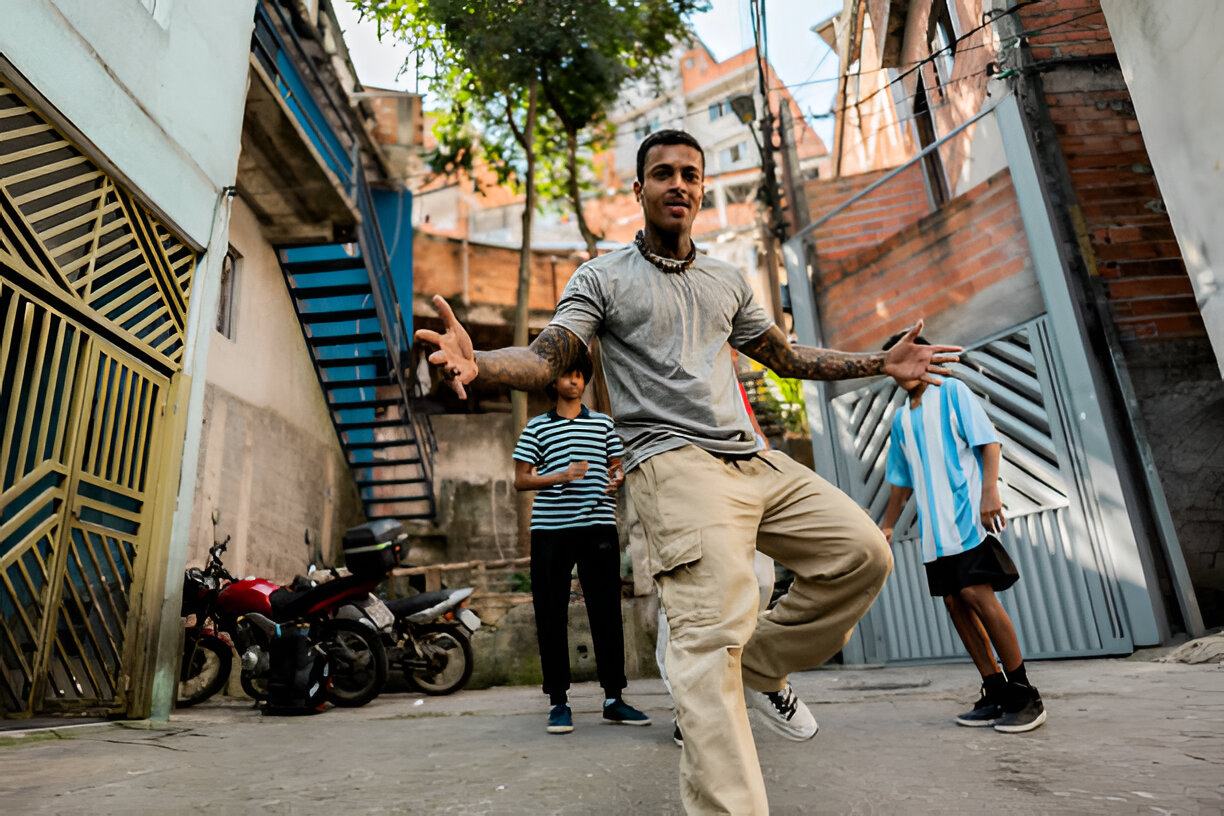
Though your exact cost to manufacture clothes depends much on your production strategy, the expense to launch an online-first clothing brand streetwear generally ranges from $500 to $15,000 in 2026–27.
While a tiny batch cut and sewn collection of 3–5 original designs often calls for $5,000 to $12,000 to cover professional tech packs ($50–$500 each), high-quality samples ($100–$500 per piece), and first bulk inventory, low-risk business owners may launch for less than $1,000 using Print-on-Demand (POD), which removes inventory costs.
Beyond manufacturing, you should budget at least $1,000 to $3,000 for essential business infrastructure, including LLC registration, Shopify or WooCommerce hosting, and high-impact marketing assets like professional photography and social media advertisements, as customer acquisition costs continue to rise.
FAQs
Is startup streetwear profitable?
High gross margins (50–60%), but thinner net earnings (5–10%) as a result of rising marketing and digital expenses, characterize the $210 billion 2026 streetwear industry. Success today depends on the scarcity model, using limited drops to maintain premium pricing, and a strong Direct-to- Consumer (DTC) presence to circumvent middlemen. Although the industry is expanding, businesses have to negotiate high return rates and the unrelenting pressure to remain culturally relevant to a young, tech-savvy audience.
What are the must haves for streetwear style?
As the foundation of streetwear, boxy heavyweight t- shirts (250-300 GSM) and wide-leg or balloon fit trousers become the backbone of the looks in 2026, structured oversized shapes and high-low styling will be the key items. Frequently worn with high-quality, visible ribbed socks, footwear, particularly retro-technology runners or vintage-style 1980s basketball shoes still make the base. Although the outerwear as a center of focus trend leans towards cut puffers or distressed vintage-wash hoodies to create a balanced, architectural figure, critical accessories have shifted to utilitarian gorpcore style, such as technical crossbody bags, carabiner keychains, and silver layered jewelry.
What are the four types of streetwear?
In 2026, streetwear is primarily categorized into four distinct pillars: Original Streetwear, which focuses on “drop” culture and graphic-heavy basics (think Supreme or Stüssy); Luxury Streetwear, where high-fashion houses like Balenciaga or Off-White blend runway aesthetics with casual silhouettes; Sports-Lead Streetwear, dominated by giant athletic brands like Nike and Adidas through sneaker culture and heritage jerseys; and Gorpcore/Technical Streetwear, which prioritizes functional, outdoor-ready gear like Arc’teryx or Salomon designed for an urban environment.
Key Takeaways for Launching a Profitable Streetwear Brand
To start a streetwear company, one would need to plan it well, be culturally aware, and rely on reliable production besides innovative designs. All steps, starting with niche discovery and brand recognition and going through the right manufacturing strategy and growth by scale without any doubts influence future prosperity. The collaboration with Tack apparel will allow streetwear clothing business startups to expand in a sustainable way, manage the expenses, and retain the quality. Your brand of clothes in the market will be able to grow into a scalable, marketable business with the right foundation.