Whether you’re building a summer apparel line, sourcing materials for private label production, or simply trying to understand what keeps people cool and comfortable in the heat, fabric weight is one of the most important decisions you’ll make. It affects how a garment drapes, breathes, feels against the skin, and performs over time. This guide breaks down the lightest fabrics available today, from time-tested natural fibers to cutting-edge technical materials, and explains exactly how and when to use each one.
Understanding Fabric Weight: What GSM Actually Means
It’s helpful to know how fabric weight is calculated before delving into the fabrics themselves. Grammes per square metre, or GSM, is the standard unit of measurement used in the textile industry. In other words, the fabric is lighter and thinner when the GSM is lower. More material, density, and warmth are all indicated by a higher GSM.
As a general reference:
- 30–150 GSM → Lightweight fabrics (the focus of this guide)
- 150–350 GSM → Medium-weight fabrics
- 350+ GSM → Heavyweight fabrics (denim, canvas, wool, flannel)
A typical cotton T-shirt runs around 150–180 GSM. A summer dress in chiffon might clock in at just 30–50 GSM. For summer wear, shirts, and breathable apparel, the sweet spot is usually 100–160 GSM, depending on the garment type and desired opacity.
Understanding types of fabric and GSM matters enormously for brands doing bulk garment manufacturing, apparel processing, and private label production. It directly affects cost per unit, drape, print quality, and how premium a garment feels in the hand. A luxury label and a mass-market T-shirt brand will make very different GSM decisions, even if they’re using the same base fiber.
What Makes a Fabric Lightweight and Breathable?
Breathability isn’t just about weight, it’s a combination of two things: air permeability (how easily air passes through the weave) and moisture management (how the fabric handles sweat). The lightest, most breathable fabrics do both well, which is why natural fibers like linen and the lightest weight cotton fabric have remained summer staples for centuries, and why high-performance synthetics have evolved to replicate, and in some ways, surpass, those properties.
The structure of the weave is also important. Even at the same GSM, a loose, open weave permits more airflow than a tight one. For this reason, at comparable weights, voile and gauze feel lighter than poplin. Another factor is fiber diameter; finer yarns produce lighter, softer textiles without compromising coverage.
The Lightest Natural Fabrics
Natural fibers remain the gold standard lightest fabric for hot weather. They’re breathable, comfortable, and increasingly preferred by eco-conscious brands and consumers alike. Here’s a detailed look at the standout options.
1. Linen

GSM range: 80–150
Linen is the fabric that epitomizes warm-weather attire. Perhaps the lightest natural fabric that still provides true structure and durability is linen, which is made from the fibers of the flax plant. Its hollow fibers allow heat to escape while wicking moisture away from the skin by creating natural airflow channels. Because of this structural advantage, linen often feels lighter than cotton even at an equal GSM.
Because it grows with little water and pesticides, is completely biodegradable, and improves with age, linen is the lightest natural fabric for eco-friendly and sustainable clothing brands. For summer shirts, dresses, pants, and fitted separates, it is the preferred option. Wrinkling is the only drawback, but linen’s relaxed, genuine appeal has come to embrace its rumpled appearance.
A 60% linen/40% Tencel blend at about 120 GSM has become a popular option for brands seeking a blend that softens linen’s structure without compromising its sustainability credentials. It combines the breathability of linen with Tencel’s silky drape and decreased tendency to wrinkle.
2. Cotton (Lawn, Voile, Batiste, and Muslin)
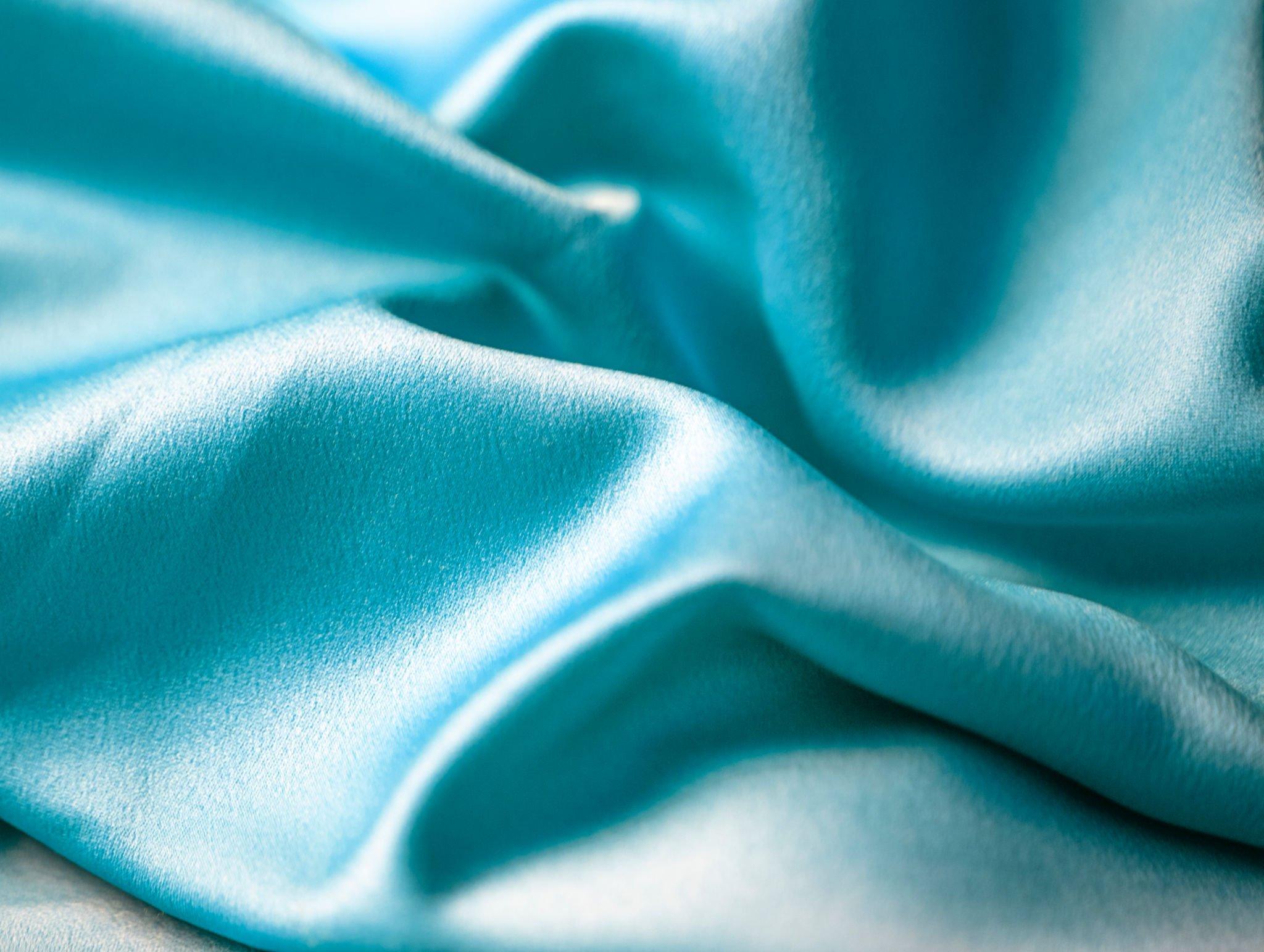
GSM range: 70–140
Cotton is the world’s most widely used fabric, and for good reason. It’s soft, breathable, affordable, and versatile. But not all cotton is lightweight, it depends entirely on how it’s woven. The lightest cotton fabric varieties include:
- Cotton lawn: A plain-weave, semi-transparent cotton woven from fine, high-thread-count yarns. It sits around 80–100 GSM, dries quickly, and has a cool, smooth hand. It’s a top choice for the lightest weight cotton fabric used in summer blouses, shirts, and dresses.
- Cotton voile: Thin, slightly sheer, and crisp-feeling, cotton voile typically runs 70–90 GSM. It’s perfect for lightweight summer dresses and layered tops.
- Batiste: One of the softest and most delicate cottons, batiste is a fine, lightweight cotton fabric used in lingerie, blouses, and infant clothing.
- Muslin: Lightweight and plain-woven, muslin is highly breathable and is frequently used for casual warm-weather garments and garment prototypes.
For brands sourcing the lightest shirt fabric for casual apparel and breathable T-shirts, 100% cotton in lawn or voile weaves at 100–140 GSM offers the best balance of breathability, print-readiness, and cost-effectiveness.
3. Silk and Silk-Like Weaves
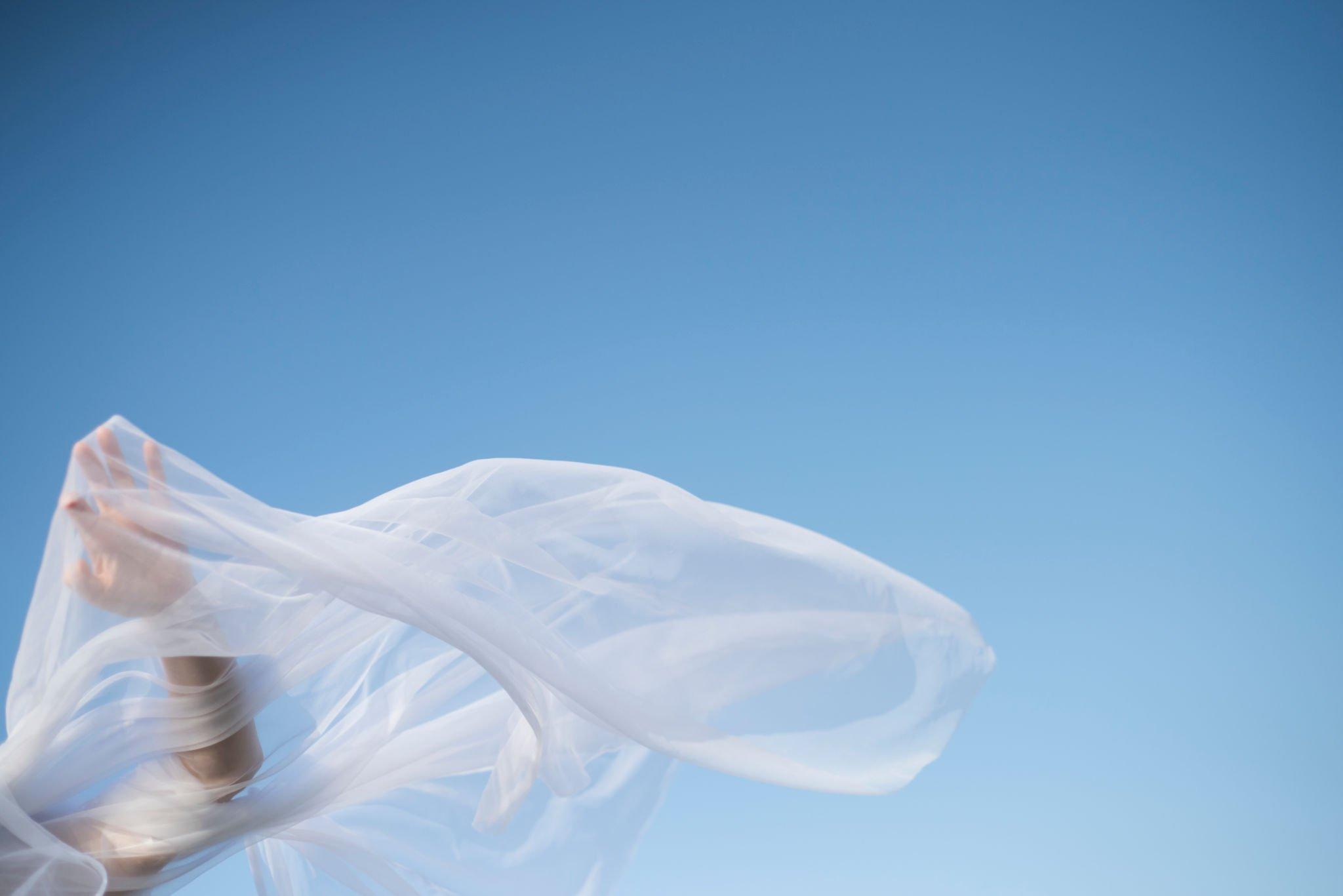
GSM range: 30–90
Silk is one of the oldest luxury fibers in the world and still holds up as one of the lightest fabrics in terms of weight-to-coverage ratio. It feels cool against the skin, drapes beautifully, and doesn’t trap heat, qualities that have made it a staple in luxury brand collections for hot-weather layering and elevated basics.
The lightest silk fabric varieties include:
- Habutai (China silk): A plain-woven, smooth, and lustrous silk at around 30–50 GSM. Often used for linings, blouses, and scarves.
- Silk chiffon: One of the most ethereal fabrics available, silk chiffon is sheer, soft, and incredibly lightweight. Used in eveningwear, overlays, and flowing dresses.
- Crepe de Chine: A smooth, slightly textured silk woven from tightly twisted yarns, typically 50–80 GSM. It’s wrinkle-resistant, holds color well, and drapes elegantly for dresses, blouses, and scarves.
- Georgette: A sheer, lightweight woven fabric with a pebbly texture, ranging from 30 to 80 GSM. Originally silk, now also made in polyester and viscose versions.
The downside of silk? It requires careful handling, retains odor, shows sweat easily, and is generally more expensive. For brands who want the look and feel of silk at a lower price point, cupro (sometimes called “vegan silk”) and rayon-based crepe are excellent alternatives.
4. Chiffon
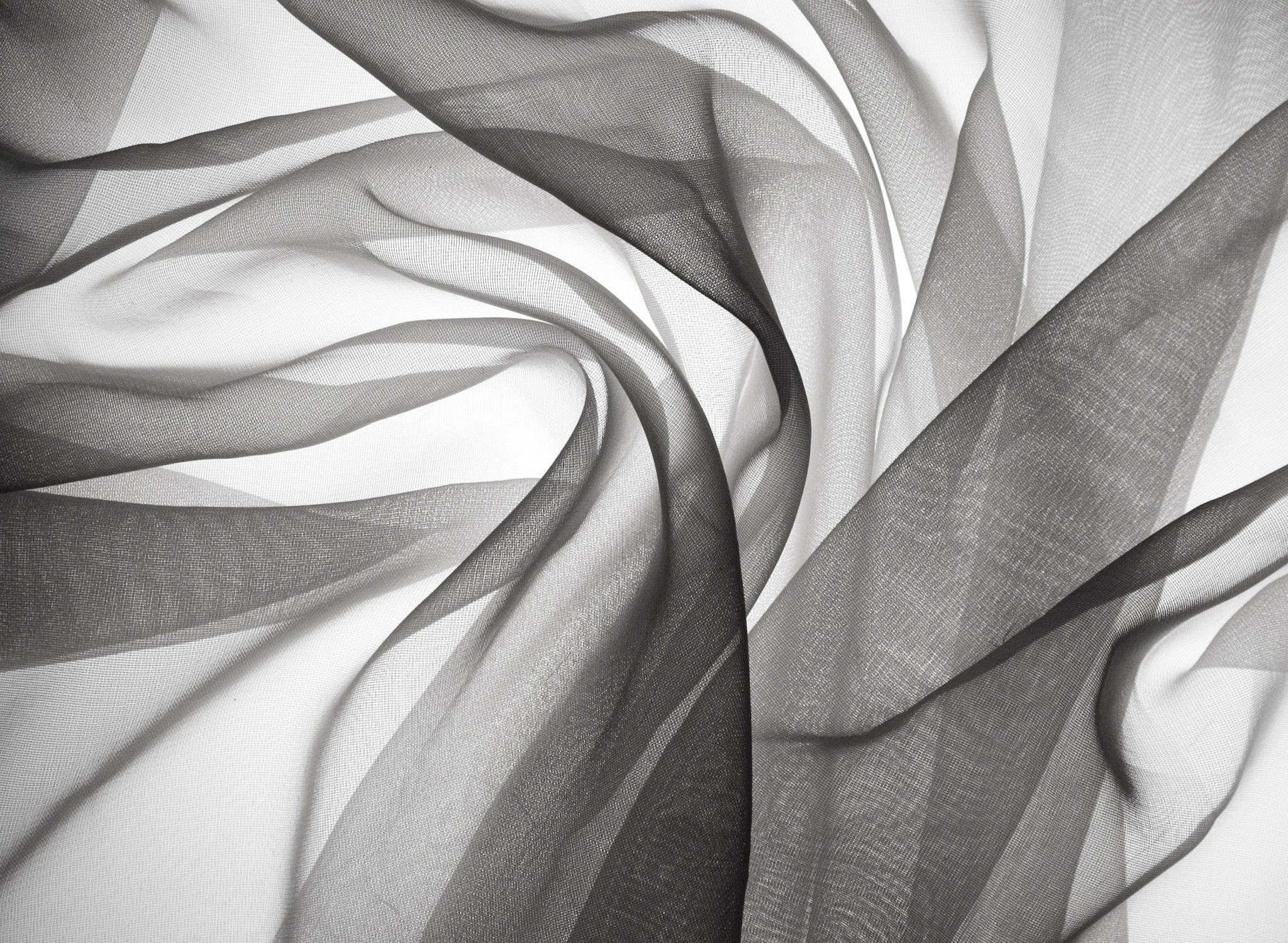
GSM range: 30–50
Sheer and delicate, chiffon drapes softly and weighs very little. Silk, polyester, or nylon can be used to make it. It is usually lined or layered due to its sheerness, but it is still very breathable despite its low heat retention. It is a mainstay for flowing summer dresses, blouses, overlays, and evening wear.
5. Organza
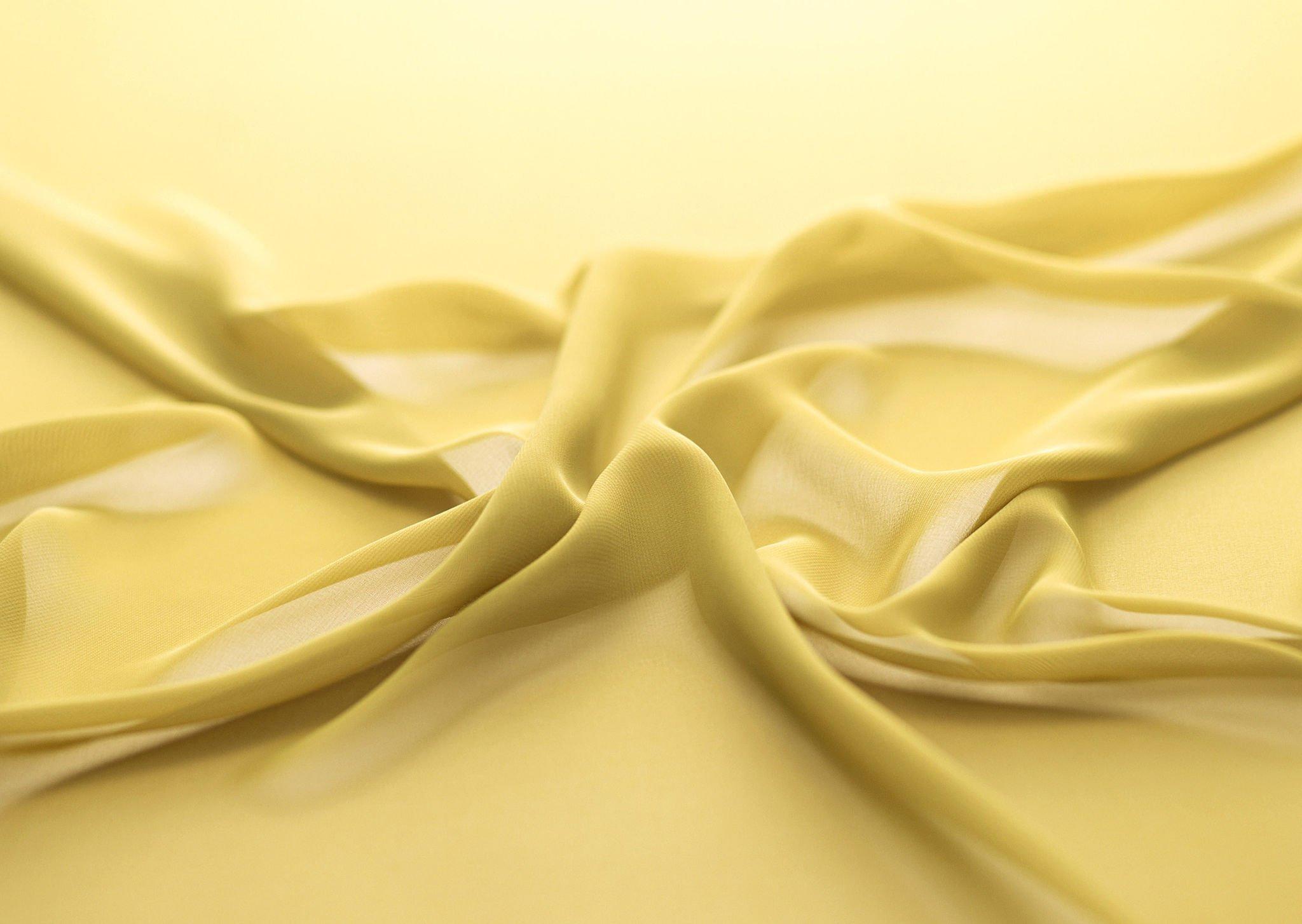
GSM range: 30–60
Organza is perfect for voluminous silhouettes, skirts, and evening wear because it is structurally different from chiffon and has a crisp, slightly stiff hand that holds its shape. Silk, polyester, or nylon can be used to weave it. One of the lightest silk fabric choices for structured clothing is silk organza.
6. Voile
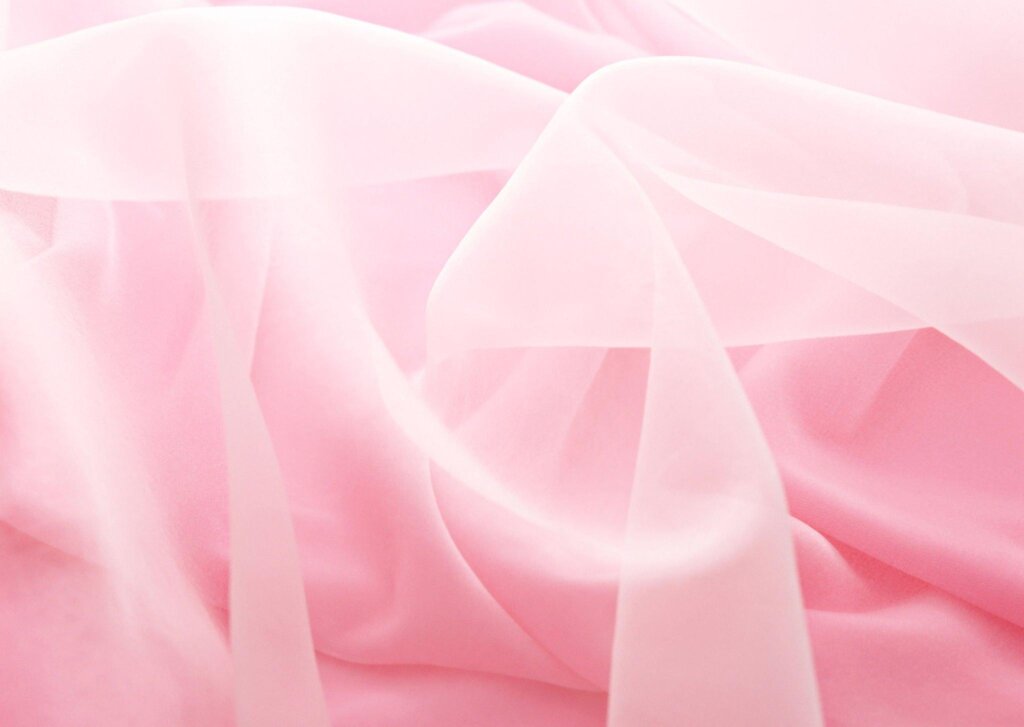
GSM range: 60–80
Voile has a smooth drape, is sheer, lighter, and a softer, finer version of muslin. Children’s clothes, blouses, and lingerie are frequently made with it. Because it combines the lightness of a sheer weave with the breathability of cotton, cotton voile is particularly well-liked for summer clothing.
7. Gauze
GSM range: 30–60
Gauze is an open-weave fabric with a slightly rough texture that is extremely light and airy. It is one of the most breathable materials on the market because of its loosely woven structure. It is utilized in medical textiles as well as summer dresses, scarves, and layering pieces.
8. Seersucker
GSM range: 100–140
In addition to being visually striking, Seersucker’s distinctive puckered texture actually lifts the fabric away from the skin, improving airflow and making it one of the coolest materials to wear in hot, muggy weather. Seersucker, which is typically made of cotton, is a staple for summer dresses, suits, and casual shirts. One of the lightest materials for suits that still maintains a polished, structured look, it’s also a fantastic choice for lightweight suits.
9. Lace and Tulle
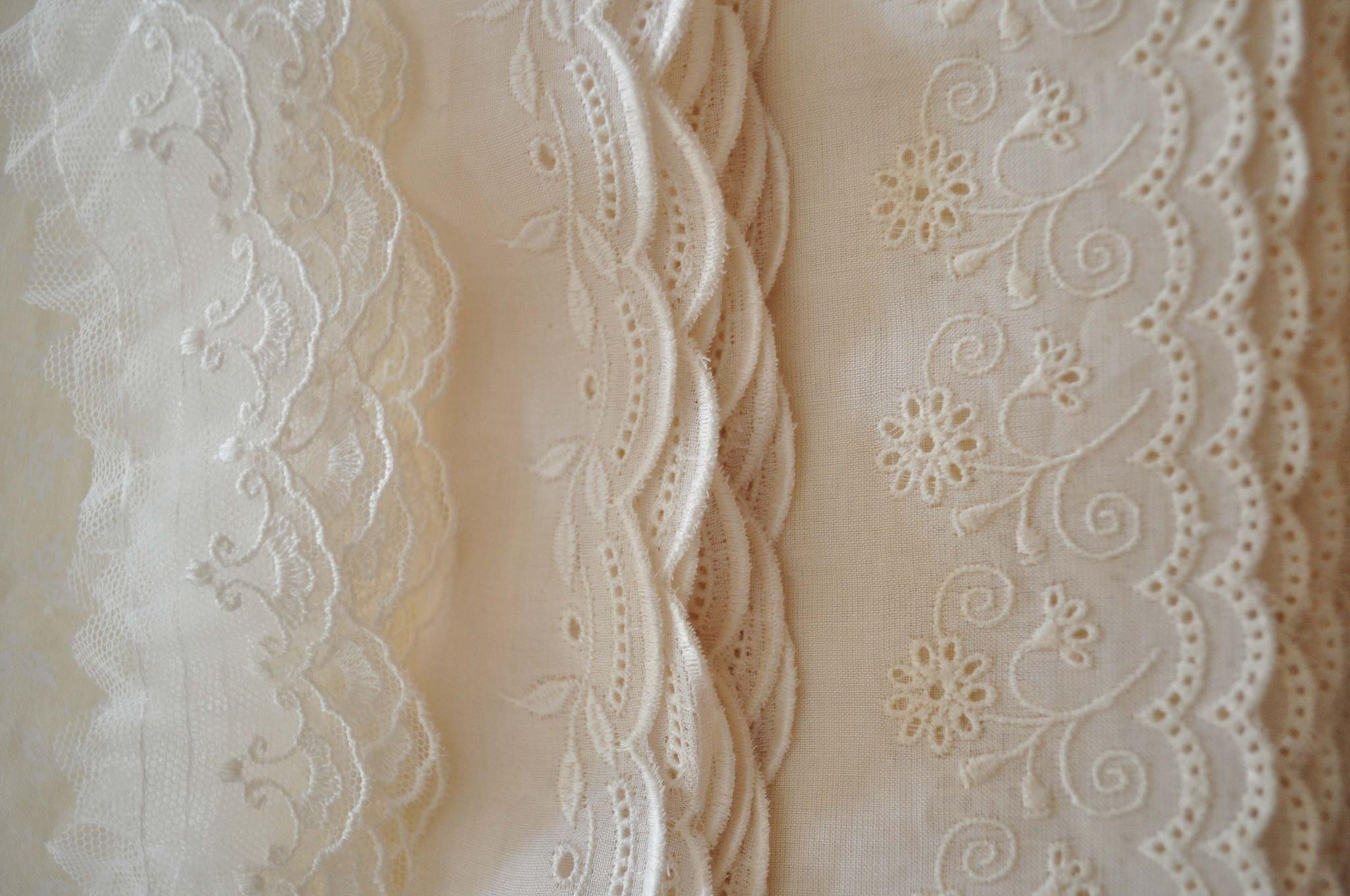
GSM range: 20–80
Lace is one of the most technically light fabrics available, its open, patterned structure means there’s as much air as there is fabric. It’s used in overlays, lingerie, evening dresses, and decorative panels. Tulle, similarly, is a stiff, net-like fabric used in skirts, tutus, and underlays for structured garments.
The Best Semi-Synthetic and Sustainable Lightweight Fabrics
As sustainability has moved from niche concern to mainstream expectation, a new generation of semi-synthetic fabrics has emerged that combines the comfort of natural fibers with reduced environmental impact. These are increasingly important for eco-friendly and sustainable clothing brands, and they’re also excellent for private label brands targeting conscious consumers.
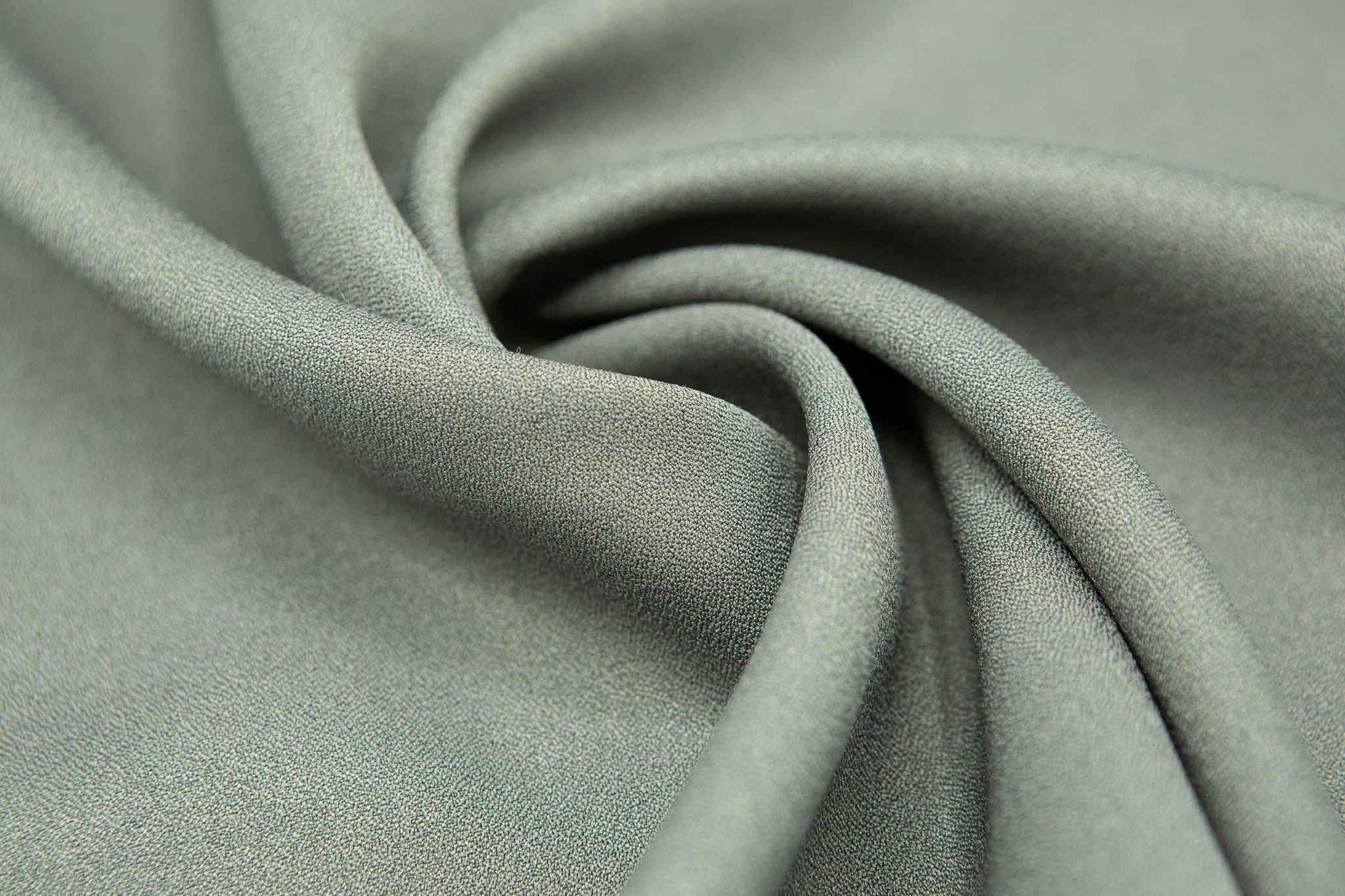
1. Tencel (Lyocell)
GSM range: 80–150
Tencel, trademarked by Austrian manufacturer Lenzing, is made from sustainably harvested wood pulp using a closed-loop production process that recycles up to 99.5% of the water and solvents used. The result is a fabric that is silky-smooth, moisture-regulating, biodegradable, and OEKO-TEX certified.
It’s widely considered the lightest natural fabric alternative for eco-friendly brands that want linen-like breathability with a silkier hand and fewer wrinkles. It’s used in everything from activewear and athleisure to dresses, casual shirts, and elevated basics. A Tencel/linen blend at 120 GSM has become a particularly popular option for sustainable SS collections.
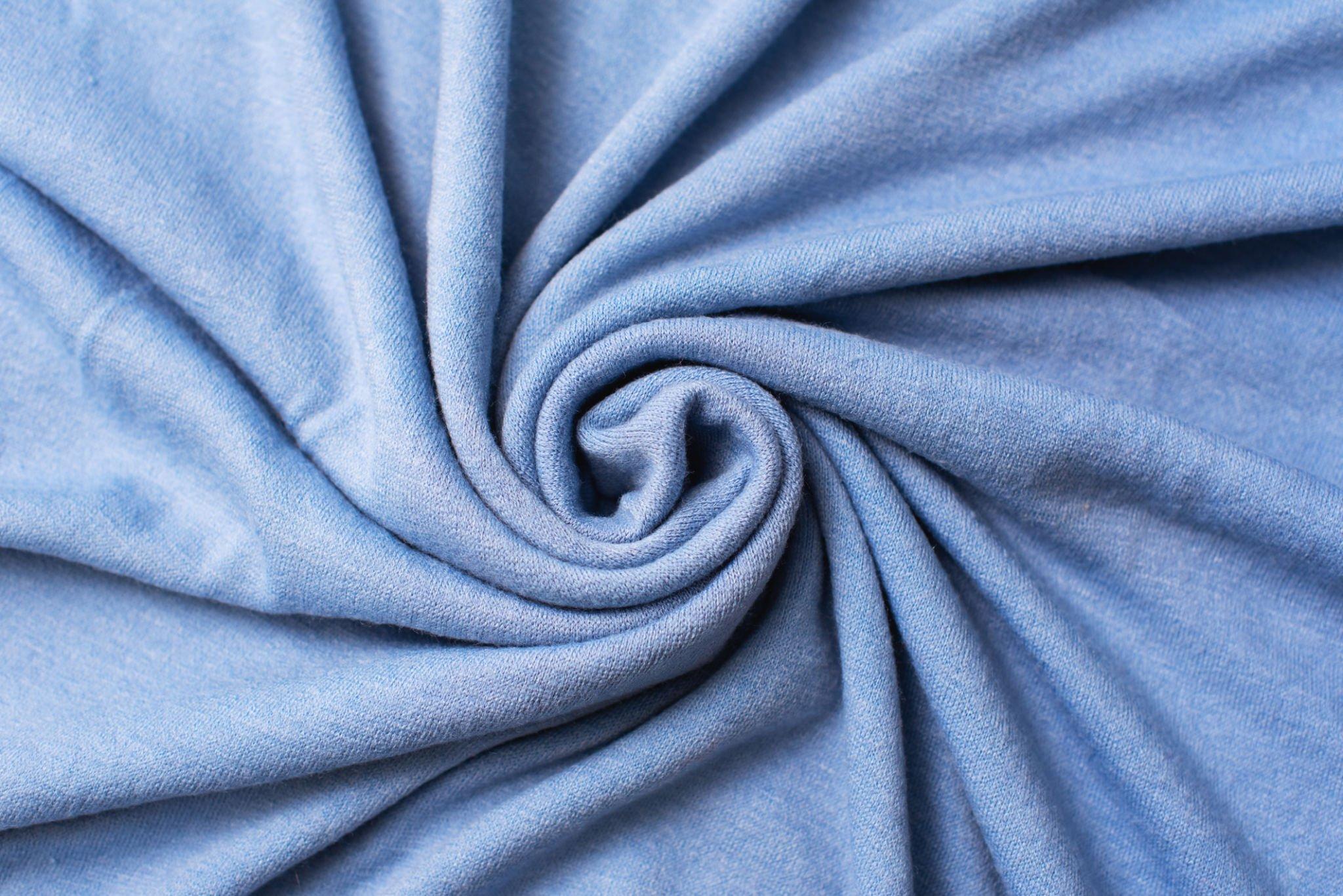
2. Rayon (Viscose)
GSM range: 80–130
Rayon is a semi-synthetic fiber made from wood pulp. It’s soft, lightweight, and has a beautiful drape that makes it one of the best fabrics for flowing dresses, blouses, and casual shirts. It breathes well, absorbs moisture, and feels cool against the skin. The main drawbacks are durability (it weakens when wet) and some environmental concerns around conventional production methods. Modal, a higher-grade form of rayon made from beech tree pulp, is significantly more absorbent than cotton, about 50% more, and is a premium option for T-shirts and innerwear.
3. Bamboo
GSM range: 90–150
Bamboo fabric is soft, breathable, naturally antibacterial, and moisture-wicking. It’s often described as silky-smooth against the skin. The bamboo clothing market was valued at USD 2 billion in 2024 and is growing rapidly, driven by consumer demand for sustainable, comfortable basics. It’s ideal for T-shirts, loungewear, activewear, and underwear.
4. Hemp
GSM range: 100–200
Hemp is one of the most environmentally responsible fibers you can use, it grows without pesticides, improves soil health, and absorbs more CO₂ than most crops. As a fabric, it’s breathable, UV-resistant, and gets softer with every wash. It’s a bit stiffer initially than cotton or linen, but hemp-cotton or hemp-Tencel blends deliver excellent softness while retaining hemp’s durability. Increasingly popular for summer shirts, dresses, and casual pants.
The Lightest Synthetic Fabrics
Synthetics have come a long way. For activewear, travel wear, and performance clothing, lightweight synthetics often outperform natural fibers, they wick moisture faster, dry quicker, and maintain structure through intense movement. Here’s a breakdown of the key players.
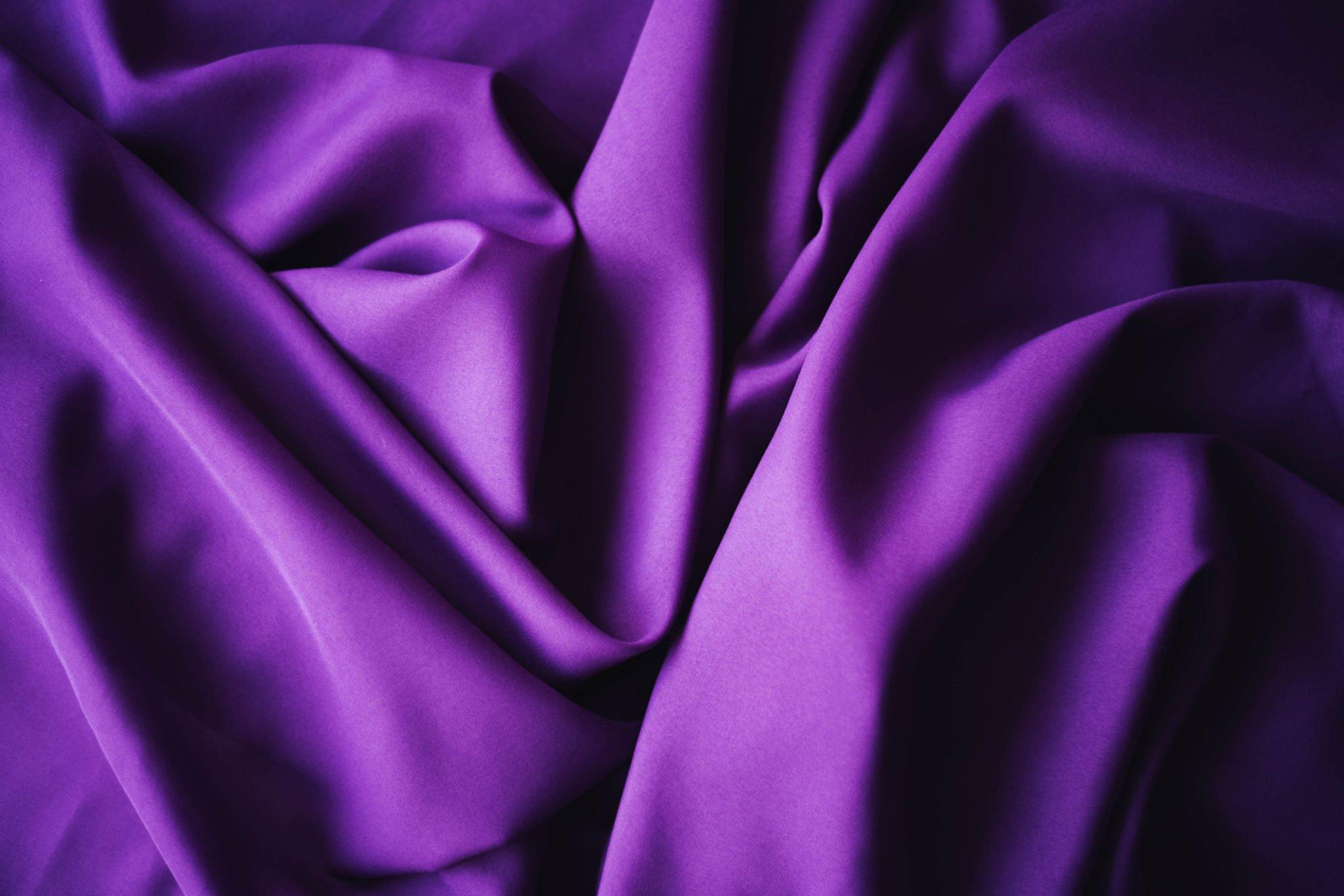
1. Nylon
GSM range: 20–100
Nylon is one of the most versatile and widely used synthetic fibers in the world. The lightest nylon fabric options start at as little as 7-denier (7D) ripstop, used in ultralight backpacking quilts and sleeping bags, and scale up to heavier deniers for outerwear and bags. For apparel, nylon in the 20D–70D range offers exceptional lightness combined with strength, quick-drying properties, and a smooth hand.
Nylon has a moisture absorption rate of just 4–8%, compared to cotton’s 27%, which means it dries significantly faster. When treated with DWR (Durable Water Repellent) finishes or PU coatings, nylon becomes one of the most practical fabrics for travel wear and performance outerwear. It’s strong, slightly stretchy, and abrasion-resistant, qualities that make it a preferred choice for swimwear, athletic shorts, and lightweight jackets.
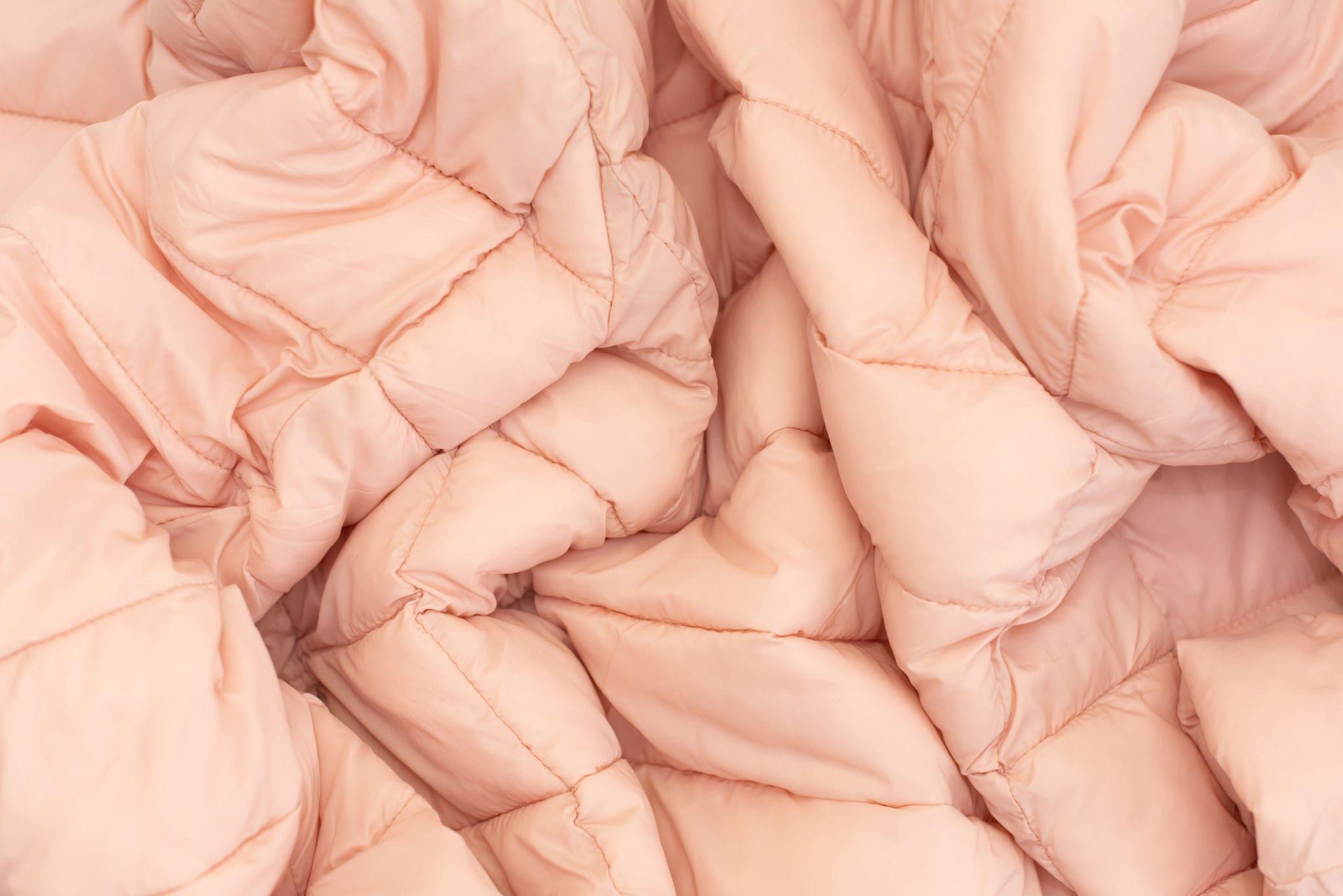
2. Polyester and Microfiber Polyester
GSM range: 30–150
Polyester is the most produced fiber in the world. In its standard form, it’s lightweight, wrinkle-resistant, and quick-drying. In its microfiber form, made from ultra-fine polyester threads, it becomes even lighter and softer, with excellent moisture-wicking capabilities. High-performance polyester fabrics certified by CoolMax or similar moisture-management technologies are among the top choices for breathable T-shirts and activewear, especially in the 100–140 GSM range for casual athletic wear.
Recycled polyester (rPET), made from plastic bottles and textile waste, is gaining traction as a sustainable alternative with comparable performance properties.
3. Ripstop Nylon
GSM range: 30–90
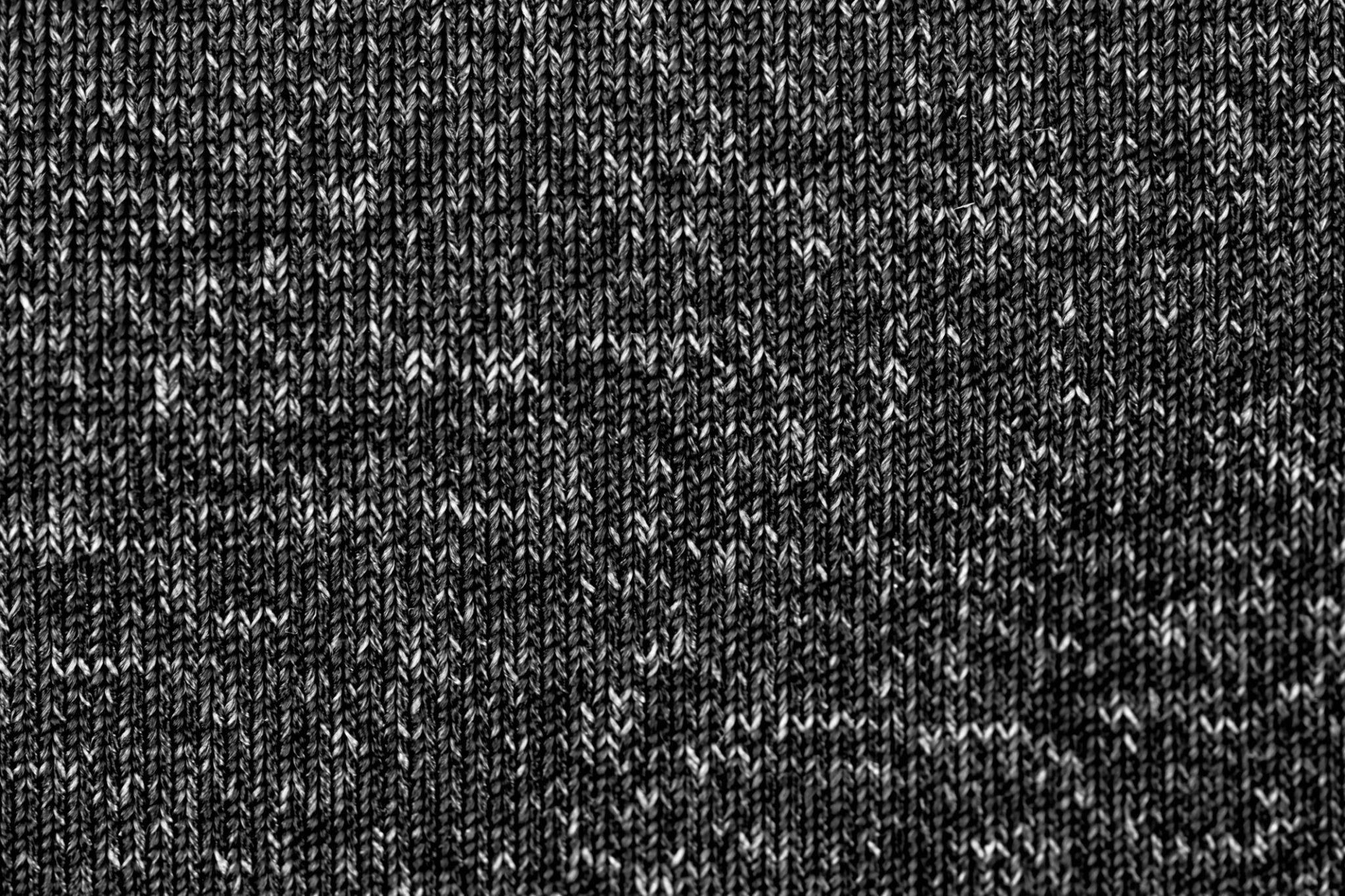
Ripstop nylon features a crosshatch reinforcement pattern woven into lightweight nylon fabric, making it highly resistant to tearing despite its minimal weight. It’s used extensively in outdoor gear, travel jackets, packable rainwear, and performance clothing. When coated with silicone (silnylon) or polyurethane, ripstop nylon becomes one of the lightest waterproof fabric options available, starting as low as 38 GSM for tarps and tent materials, and scaling up to 70D–210D for apparel applications.
For brands creating travel wear or performance outerwear, 20D–40D ripstop nylon with a DWR finish delivers an outstanding weight-to-protection ratio.
4. Spandex (Elastane/Lycra)
GSM range: 30–200 (typically blended)
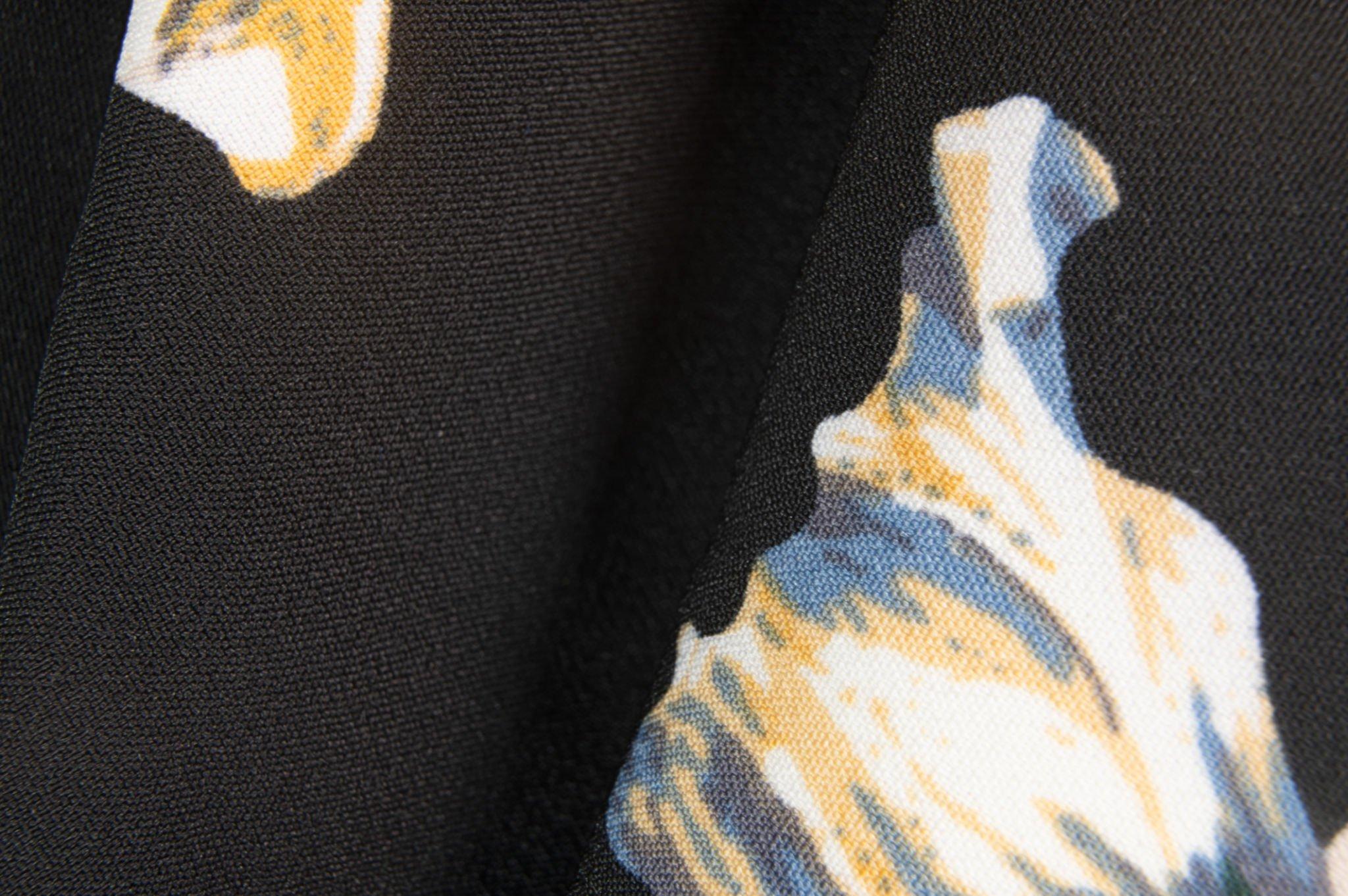
Spandex on its own is incredibly lightweight and stretchy, but it’s almost always used in blends, typically 5–20% spandex combined with cotton, nylon, or polyester. This small addition dramatically increases stretch and recovery, making it essential for activewear, leggings, swimwear, and fitted performance clothing. Spandex-nylon blends at 150–180 GSM are the backbone of most premium activewear collections.
5. Jersey Knit

GSM range: 120–180 for lightweight versions
Jersey is a stretchy knit fabric that can be made from cotton, polyester, rayon, or blends. Lightweight jersey, particularly in cotton or modal, is the foundation of breathable T-shirts and casual apparel. Its stretchy, soft structure moves with the body without restriction, making it a natural choice for everyday T-shirts, casual dresses, and basic layering pieces. For bulk garment manufacturing, cotton jersey at 130–160 GSM represents one of the most cost-effective and scalable options available.
6. Mesh
GSM range: 50–120
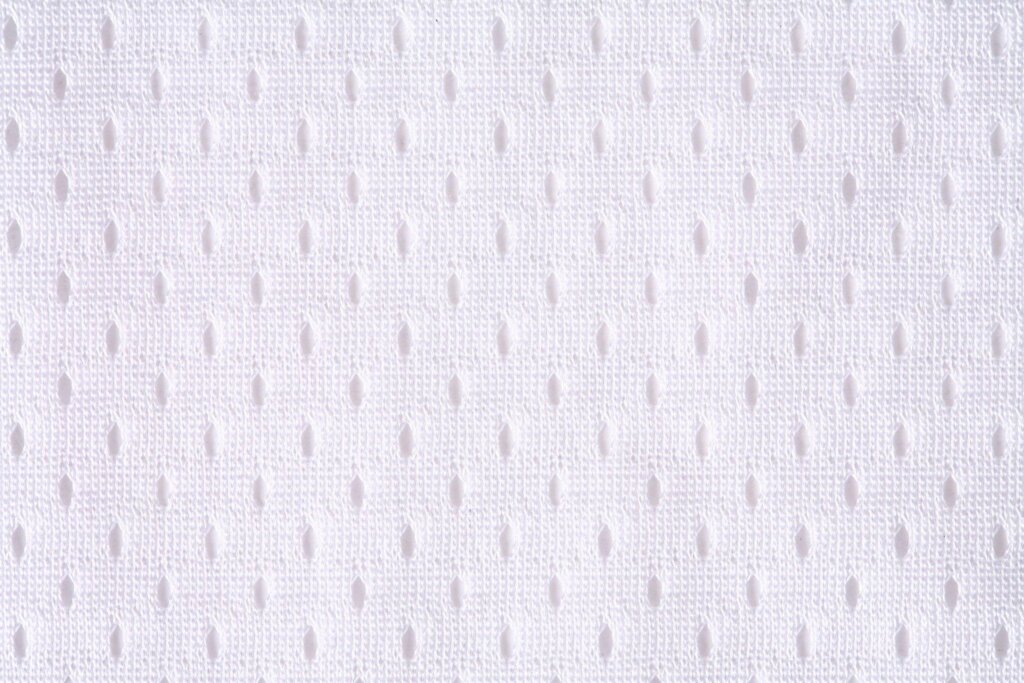
Mesh fabric, with its open, net-like structure, is among the most breathable fabrics you can use. Air passes through it almost unimpeded, which is why it’s a go-to for athletic jerseys, running shirts, gym shorts, and performance linings. It’s available in polyester, nylon, and nylon-spandex blends.
Advanced and Technical Lightweight Fabrics
Beyond everyday apparel, there’s a category of high-performance fabrics that push the limits of what “lightweight” can mean.
1. Dyneema
Dyneema is widely recognized as one of the strongest, and lightest, fibers in the world. It’s 15 times stronger than steel by weight, yet floats on water. In fabric form, it’s used in ultralight backpacking gear, sailing equipment, and cut-resistant protective clothing. While not a mainstream apparel fabric, it’s increasingly used in ultralight outdoor performance wear where every gram matters.
2. Kevlar and Aramid Fibers
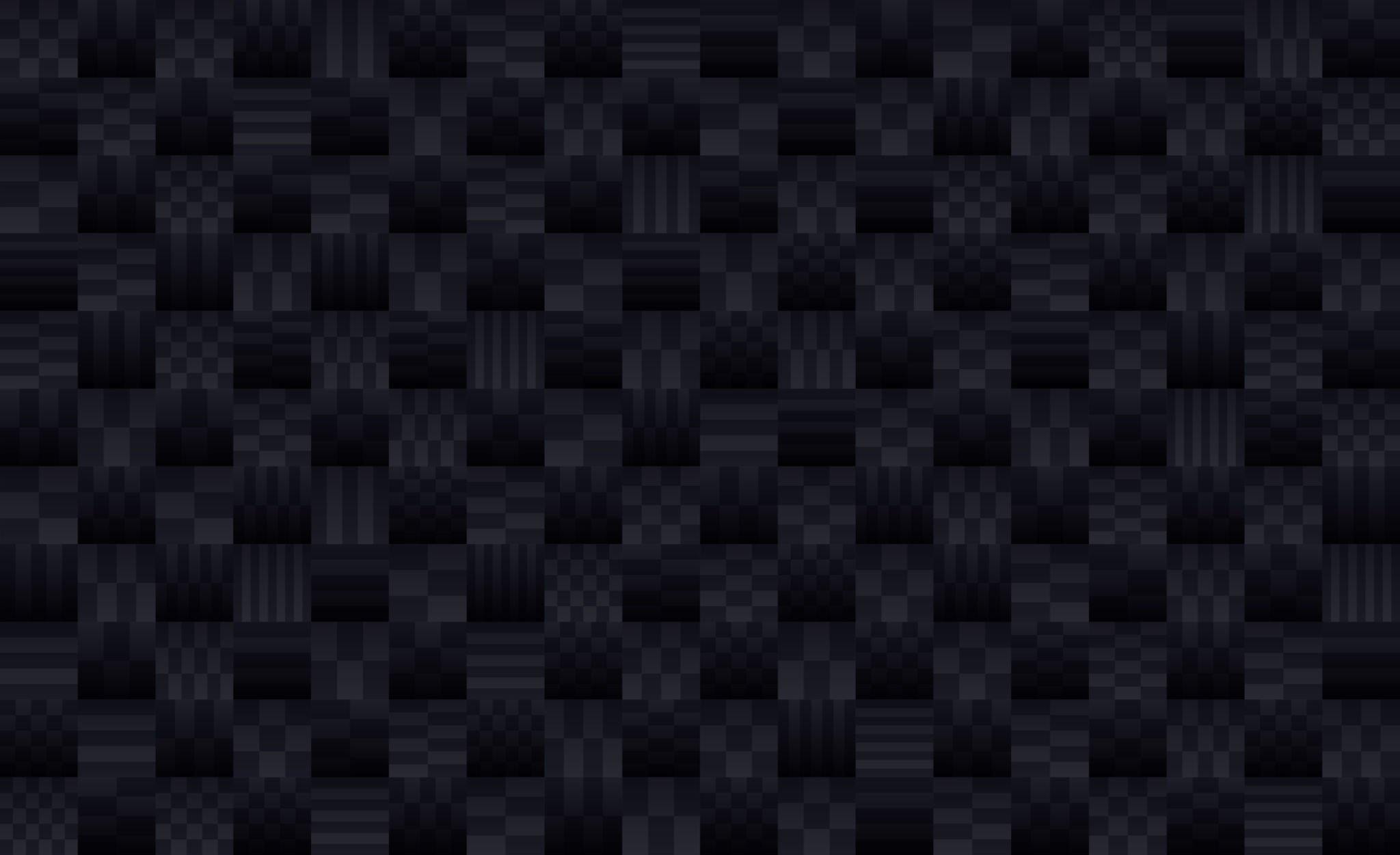
Kevlar is a synthetic aramid fiber known for its extraordinary strength-to-weight ratio. It’s used in bulletproof vests, fire-resistant clothing, and protective gear. While heavy-duty in application, its fiber weight relative to its protective properties makes it technically lightweight in the performance fabric category.
3. Carbon Fiber
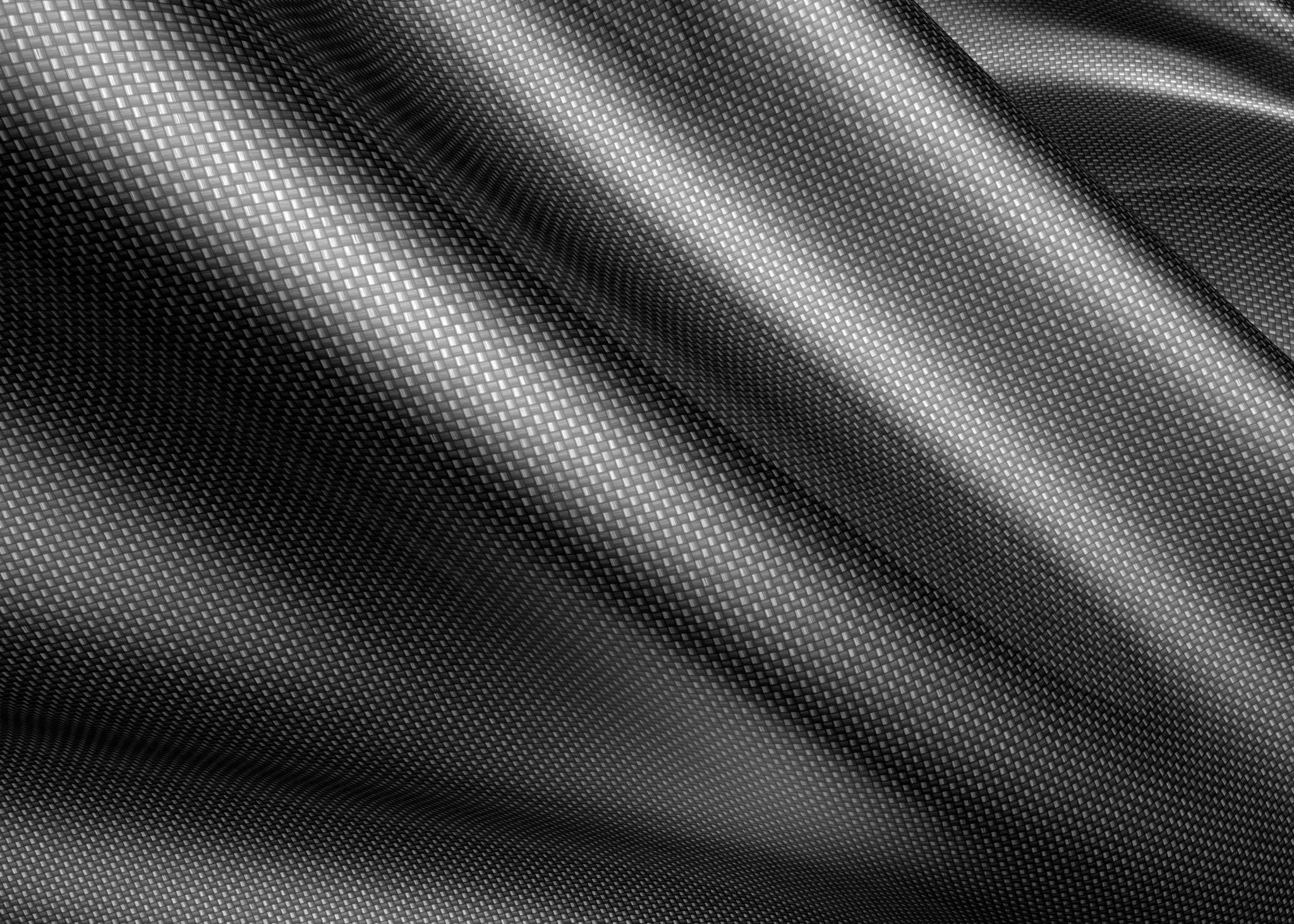
Carbon fiber fabric is extremely light and exceptionally strong, making it invaluable in aerospace, high-performance motorsport gear, and specialized sports equipment. It’s not typically used in everyday clothing but is referenced in technical apparel and protective garments where rigidity and ultra-low weight are required simultaneously.
4. Vectran
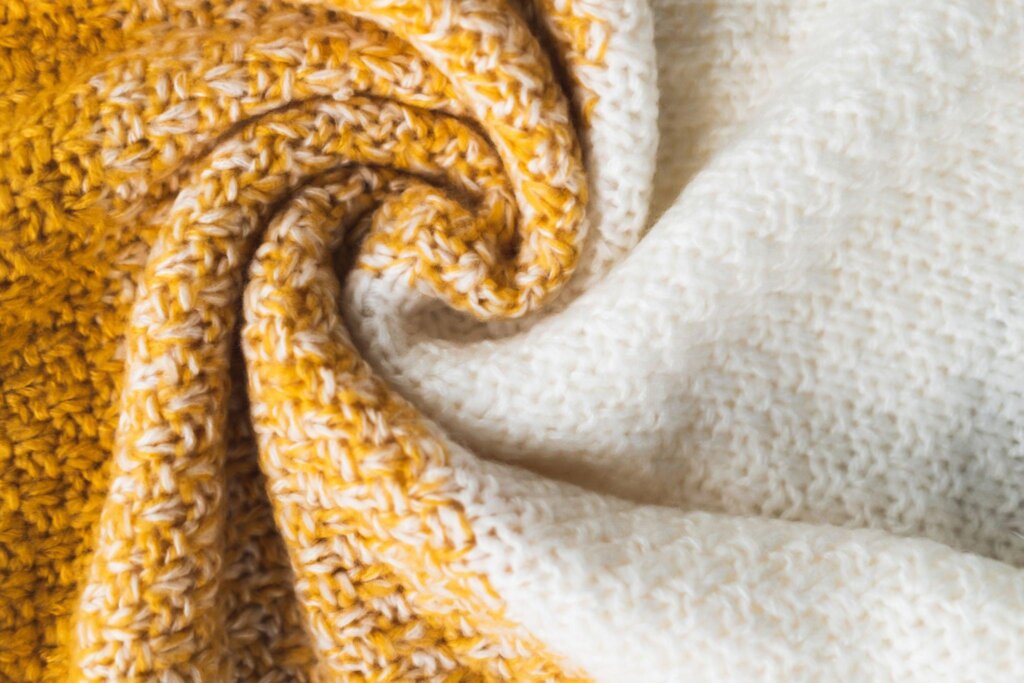
Vectran is a high-strength, high-performance liquid crystal polymer fiber with excellent heat and chemical resistance. Used in aerospace, marine applications, and specialized protective clothing.
Lightest Fabrics for Specific Apparel Categories
Understanding which fabric is lightest overall is useful, but for most brands and designers, the real question is which lightweight fabric is best for a specific garment type. Here’s a quick breakdown:
T-shirts and casual tops: Cotton jersey at 130–160 GSM, cotton voile or lawn at 90–130 GSM, modal blends, or lightweight Tencel. These offer the ideal balance of breathability, print-readiness, and wearability for everyday casual apparel.
Dresses and blouses: Chiffon, silk or polyester georgette, cotton voile, rayon/viscose, and Tencel in the 80–130 GSM range. These fabrics drape beautifully and feel light on the body.
Dress shirts and lightest dress shirt fabrics: Cotton poplin (100–130 GSM), cotton lawn, or end-on-end cotton weaves. For suiting fabrics, look at tropical-weight wool (around 200–230 GSM), open-weave linen, or seersucker for the lightest fabric for suits that still holds a tailored silhouette.
Activewear, performance, and travel clothing: Polyester microfiber, nylon-spandex blends, ripstop nylon, and mesh. These are the lightest fabrics for activewear because they combine low weight with moisture-wicking, quick-drying, and stretch properties essential for physical performance. For travel wear specifically, packable ripstop nylon and lightweight polyester are ideal, they compress into next to nothing and resist wrinkles.
Waterproof and weather-resistant outerwear: Silicone-coated ripstop nylon (silnylon) and PU-coated ripstop polyester are among the lightest waterproof fabric options. A 20D silnylon can weigh less than 40 GSM while still providing meaningful rain protection. For apparel-grade waterproofing with breathability, DWR-treated ripstop nylon in the 70D–210D range is the industry standard for packable rain jackets and shell layers.
What to Look for When Sourcing Lightweight Fabrics for Bulk Production
If you’re a private label brand or clothing manufacturer, choosing the right lightweight fabric isn’t just about breathability, it’s also about scalability, consistency, and cost. Here are a few things to keep in mind:
Fiber composition affects more than feel. A 100% cotton fabric and a cotton-polyester blend at the same GSM will behave differently in production. Blends often offer better wrinkle resistance, color retention, and dimensional stability after washing, all of which matter for branded apparel.
GSM consistency matters in bulk. When ordering fabric at scale, request GSM certificates from your supplier and test samples before committing to a full production run. Even a 10–15 GSM variance can change how a garment drapes and how it’s perceived by the customer.
Certifications add value. For sustainable collections, look for fabrics certified OEKO-TEX Standard 100, GOTS (Global Organic Textile Standard), or BCI (Better Cotton Initiative). These certifications are increasingly important to retail buyers and end consumers alike.
Seasonality of certain weaves. Some lightweight fabrics, like voile, lawn, and chiffon, are strongly associated with spring/summer. Others, like lightweight jersey and Tencel, are versatile enough for year-round collections.
Consider the sustainability angle. As of 2025, <mark>the EU has implemented mandatory separate collection of textile waste</mark>, and regulations around traceability and recycled content are tightening. Brands that build sustainable fabric choices into their sourcing now will be ahead of the curve as these standards continue to evolve globally.
A Note on the “Lightest Fabric in the World“
If you’ve ever searched for the lightest fabric in the world, the answer depends on what you mean by “lightest.” By raw weight, experimental fabrics like aerogel-based textiles and certain ultra-high-molecular-weight polyethylene fabrics (like Dyneema) approach near-weightlessness. In commercial applications, ultralight downproof fabrics made from 7-denier nylon can weigh as little as 18 GSM, about as light as fabric gets while still being functional.
For wearable, everyday clothing, silk chiffon and fine cotton gauze at 30–50 GSM are about as light as it gets while remaining practical, comfortable, and aesthetically appealing.
Final Thoughts
Fabric weight and composition aren’t just technical specifications, they define the entire experience of wearing a garment. The right lightweight fabric for summer clothing and hot weather wear keeps a person cool, moves with them through their day, and holds up wash after wash. For brands, it shapes how a garment positions in the market, how it photographs, and whether customers reach for it again and again.
Whether you’re after the lightest breathable fabric for a summer dress collection, the lightest fabric material for performance activewear, or the best eco-friendly lightweight options for a sustainable private label brand, the choices are richer and more sophisticated today than ever before. The key is knowing your end use, understanding your customer, and choosing a fabric weight that serves both.
If you’re ready to move from research to production, the team at Tack Apparel specializes in helping brands of all sizes navigate fabric selection, sampling, and bulk manufacturing for lightweight apparel, from lightweight T-shirts and casual collections to performance wear and sustainable fashion lines.