Fabric is at the heart of the apparel and textile industry, everything from everyday garments to upholstery and sporting goods, as well as commercial fabrics, benefits from how fabric provides comfort, longevity, and utility to the items we rely upon all the time. Understanding the different types of fabric supports manufacturers, designers, and consumers in making more informed choices when selecting materials.
Because of this diversity, different types of fabric are used across industries, each offering unique characteristics such as breathability, durability, elasticity, and texture.
Whether you are exploring types of fabrics for clothing, upholstery fabrics, or specialized textiles, learning about materials in textiles gives valuable insight into how fabric performance is determined.
What Is Fabric and How Is It Made?
Before we can look at the various types of fabric, it is helpful to first look at how fabric itself is made. Fabric is a material created from fibre spun into yarn and made into textile sheets through an array of different processes.
To create fabric, there are three different methods of construction. These methods include woven, knitted, and non-woven. How the fabric is constructed dictates what the fibres will do and, therefore, how the finished product will behave. Woven fabrics are created by interlacing two sets of yarn, called the warp and the weft, at right angles, creating a stable structure.
Knitted fabrics are formed by interlocking loops of yarn together, allowing them to stretch and be more flexible than a woven fabric. In contrast, non-woven fabrics are produced by joining the fibres together using heat, pressure, or chemical means instead of being woven or knitted.
These methods of creation will affect the durability, stretchability, and overall comfort of the finished fabric.
What Is Fabric GSM?
One common term used when discussing types of fabric materials is GSM, which stands for grams per square meter. The GSM of a fabric refers to how heavy and dense the textile is.
Lighter-weight fabrics have a lower GSM measurement value. These tend to be used for summer clothing, activewear, and breathable garments. Heavier-weight fabrics have a higher GSM value, which makes them appropriate for use in winter clothing, upholstery, and durable work clothing.
An example of this would be that light-weight cotton T-shirt fabrics can range from 120 to 180 grams per square meter (GSM), while heavier fleece or knitted fabrics can have a GSM exceeding 300.
Understanding GSM is particularly important when selecting types of clothing fabric, because it influences how the fabric feels, drapes, and performs in different climates and applications.
Main Types of Fabric Construction
The structure of a textile plays a major role in how it behaves. Among all types of textile fabrics, three construction methods dominate the industry.
Woven Fabrics
Woven fabrics are made by the interlacing of warp & weft yarns using a loom to provide an interwoven structure that is strong and stable with very little stretch. The three primary types of woven fabric are plain, twill, and satin. Due to being durable and holding their shape well, woven fabrics are commonly used for garments such as shirts, denim, pants, jackets, and upholstery. Common types of woven fabrics include cotton poplin, denim, canvas, and rip-stop.
Knitted Fabrics
Knitted fabrics are made by interlocking loops of yarn. This loop structure makes knitted textiles more elastic and flexible than woven fabrics. As a result, they are commonly used in garments that require comfort and stretch.
Many popular types of stretch fabric belong to this category, including jersey knit, rib knit, interlock knit, and ponte knit. These fabrics are frequently used in t-shirts, leggings, sweaters, and sportswear.
Non-Woven Fabrics
By using thermal, mechanical, or chemical methods, non-woven fabrics bond the fibers together rather than weaving together yarns. Non-woven textiles typically have a lower cost and faster production time than other types of fabrics, and they are mostly used in disposable items like medical masks, wipes, hygiene items, filters, and packaging materials. Manufacturers need to know the different types of woven, knitted, and non-woven to select the appropriate type of fabric structure for any application.
Types of Natural Fabrics
Natural fabrics are derived from plant or animal sources and have been used in textiles for thousands of years. These types of textile fabrics are often valued for their comfort, breathability, and biodegradable nature. Many of the most widely used types of clothing fabric come from natural fibers because they offer softness and moisture absorption that synthetic fabrics sometimes struggle to replicate.
Cotton Fabric
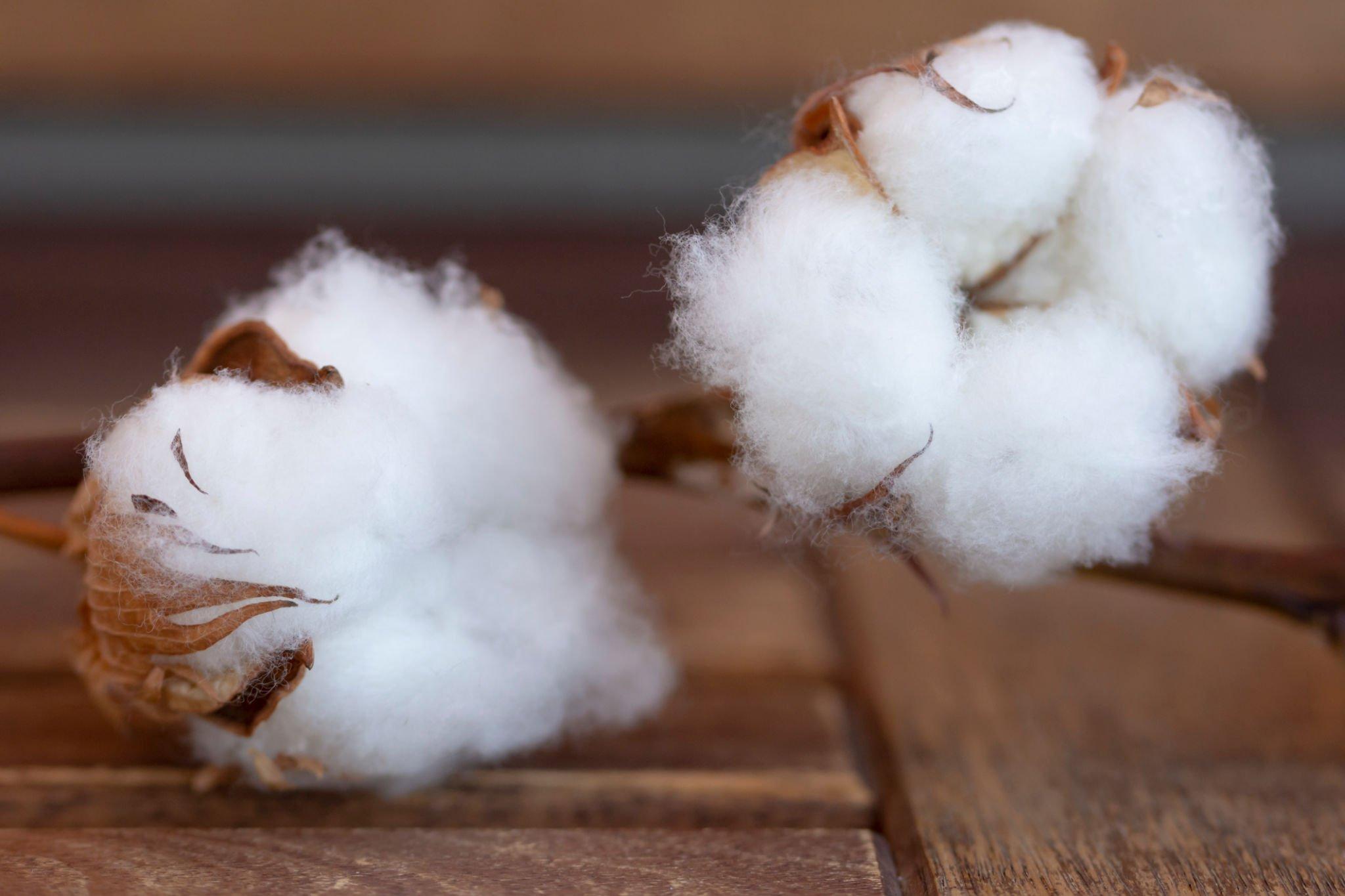
The global textile industry uses cotton as one of the most popular fibers. This fiber, harvested from the plant, is spun into yarn before it can be made into fabric by weaving/knitting. Cotton is sought after by many consumers due to its softness, breathability, and moisture-wicking properties. All these reasons contribute to its comfort level in everyday apparel.
There are many types of cotton fabric, each produced through different weaving techniques and finishing processes. Cotton poplin is known for its smooth surface and lightweight structure, making it a popular choice for shirts and dresses.
Denim is perhaps one of the most recognizable cotton fabric types. Denim features a distinctive diagonal pattern resulting from its unique twill weave and is known for its incredible resistance to wear and tear.
Canvas, on the other hand, is a thicker type of cotton fabric with excellent strength and durability that is often used for manufacturing bags, footwear, and upholstery materials. Another type of cotton fabric is muslin. Muslin is a thin type of cotton, commonly seen in garments, curtains, and fashion prototypes for clothing design projects.
Overall, cotton is an incredibly versatile fabric, making it a mainstay in numerous fabric types designed for use in a variety of clothing types such as t-shirts, jeans, button-down shirts, underwear, and children’s clothing.
Silk Fabric
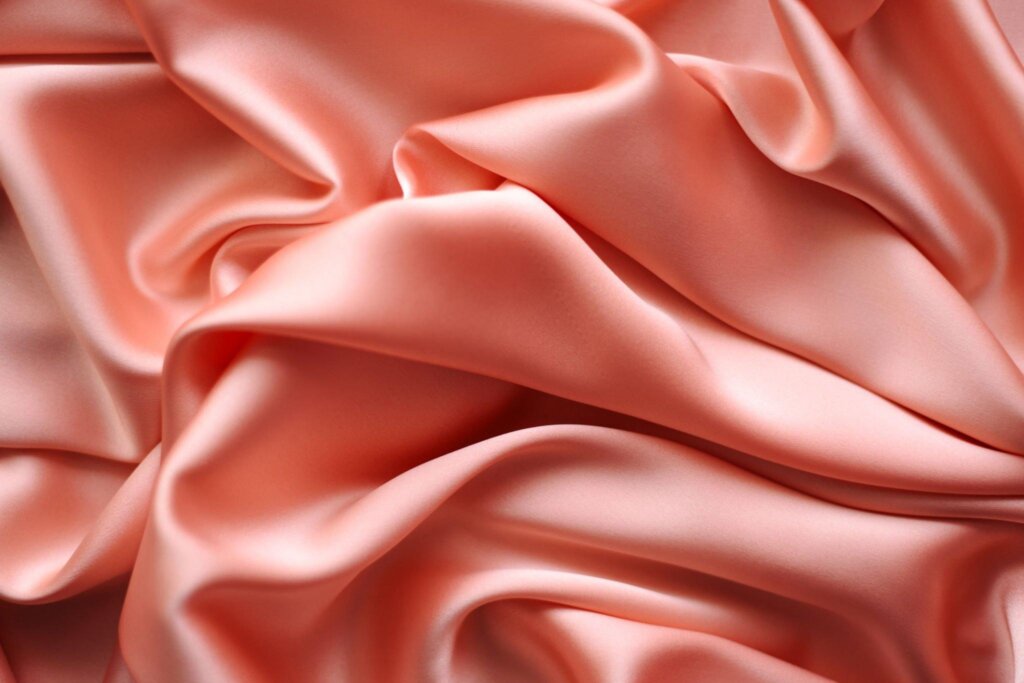
Silk is a very special, natural fibre that is created from the cocoons spun by silkworms. This special fibre is wound carefully into a long, fine thread that can then be woven into a fabric that has a smooth feel against the skin, a natural shine, and feels lightweight when worn.
There are several different types of silk fabric, each offering unique characteristics. Charmeuse silk is known for its glossy surface and fluid drape, making it ideal for elegant eveningwear and lingerie.
Chiffon silk fabric is a sheer and lightweight fabric that is typically used in lightweight, sheer scarves, blouses, and layered dresses. Organza silk fabric is a transparent and crisp fabric that is commonly used in making bridal gowns and decorative gowns. Dupioni silk fabric is used to create formal clothing or upholstery fabrics.
Designers chose to use silk fabric to create garments that will be soft to the touch, look elegant, and have an overall luxurious visual appeal.
Wool Fabric
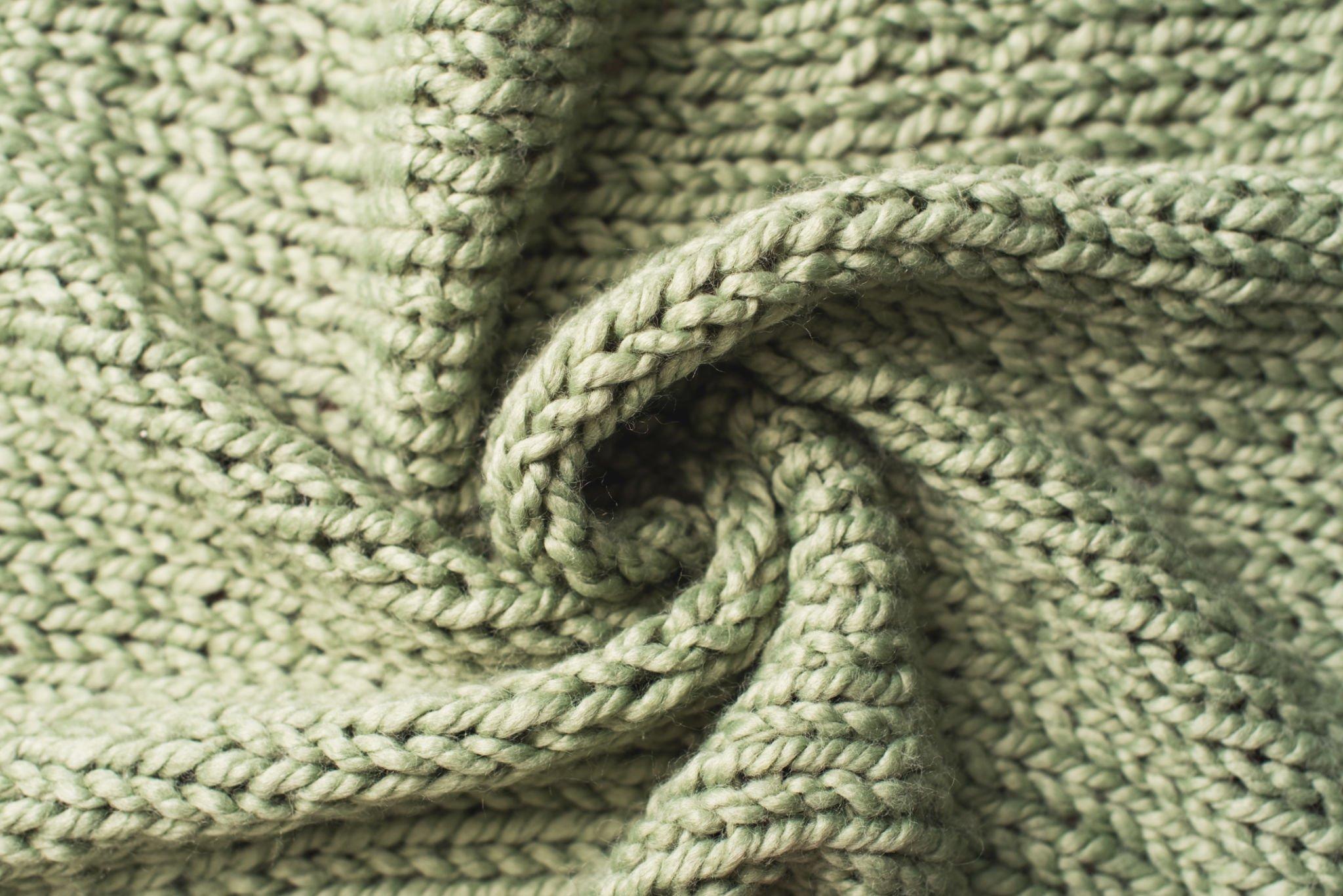
Sheep and other livestock produce the fleece that is used to make wool garments; wool has been around for hundreds of years because it keeps people warm when it’s cold. Wool also retains heat because air is trapped by the wool fibre. Therefore, wool is typically considered the best choice for winter clothing.
Many different types of wool can be made into textile styles and textures depending on how the wool fibre is processed. Coarse, durable tweed wools are used for jackets and coats that are made for outdoor use.
Wool fibres are brushed to make a soft, warm “fuzzy” fabric called flannel, which is commonly used for winter shirts and pyjamas. Worsted wool is tightly spun and smooth, making it ideal for suits and dress clothes.
Because wool offers warmth, moisture resistance, and durability, it remains a staple among types of cloth fabrics used in winter clothing and outerwear.
Linen Fabric
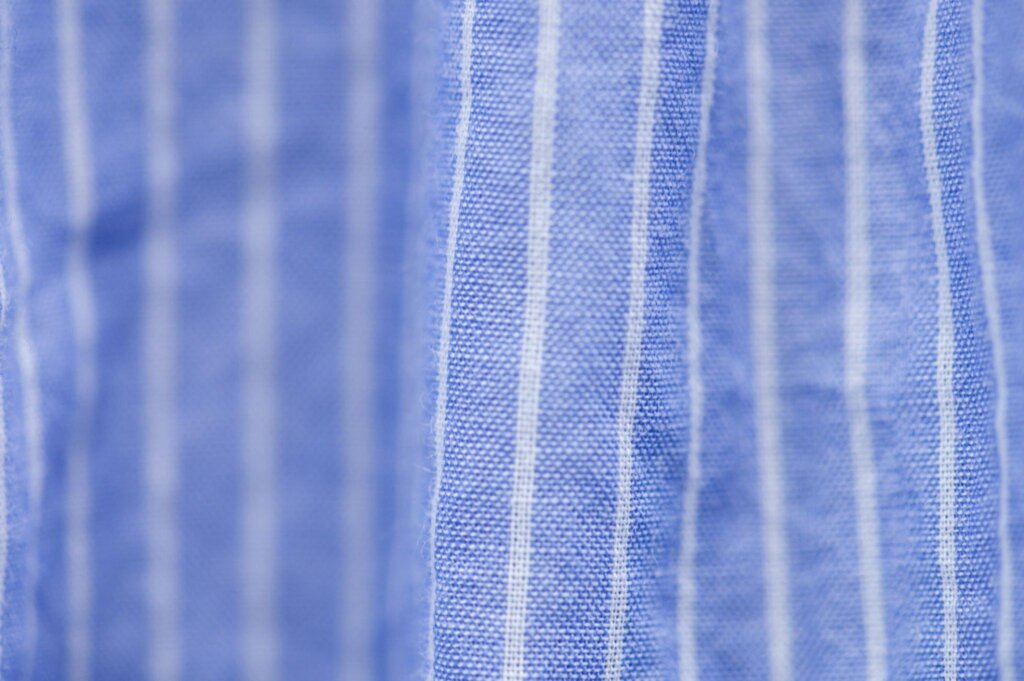
Linen is derived from the fibers of the flax plant and is strong and breathable. Many people wear linen clothing in warm climates because the fabric breathes nicely due to good air circulation and possesses good moisture-wicking qualities.
Linen does wrinkle easier than other fabrics, but many people still like the fabric because of its natural look and durability. People buy many clothing items from major clothing retailers made from linen in the summer, like shirts and dresses for women and trousers, plus heavily buy household linens like tablecloths, napkins, or curtains made from linen to use at home. You can tell over time that linen has been washed many times because it becomes much softer and the appearance changes slightly from washing.
Types Of Synthetic Fabrics
While natural fibers dominated the textile industry for centuries, modern technology has introduced a wide range of synthetic fibers that offer enhanced durability, elasticity, and resistance to environmental factors. These types of fabric materials are typically manufactured from chemical polymers and can be engineered to meet specific performance requirements.
Polyester Fabric
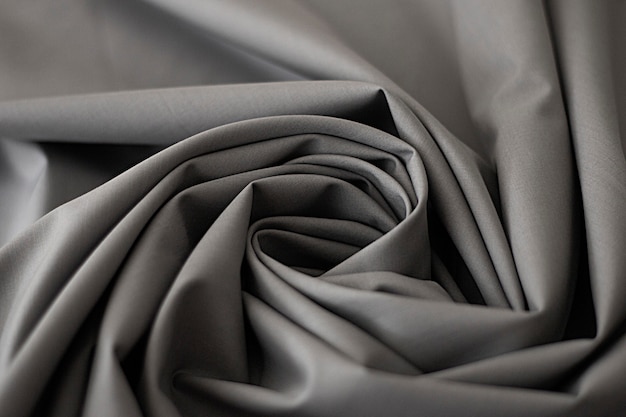
Polyester is one of the most used synthetic textiles on planet Earth! This material was developed using chemicals that convert polymers from oil into durable, resilient textile fiber. The resulting polyester textiles are highly resistant to shrinking/stretching/wrinkles, which makes them highly functional/easy-to-wear clothing items.
Due to its durability, lightweightness, and cost-effectiveness, polyester is often blended with natural fibers like cotton to produce fabric with superior comfort plus strength. Therefore, polyester textiles can be found in a variety of applications, including sports apparel, outerwear, shirts/uniforms, and home furnishings (curtains, bedding).
Nylon Fabric
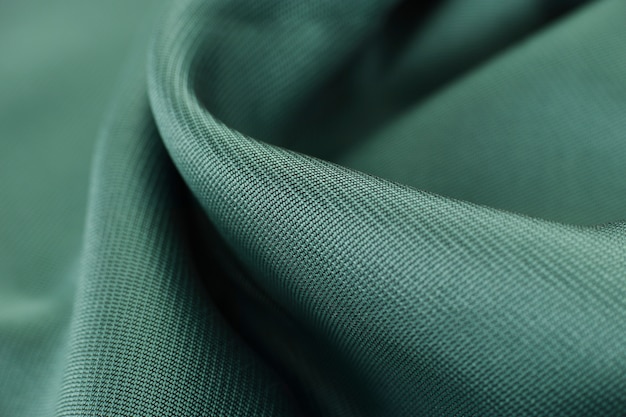
Nylon was one of the first completely synthetic fibers to be produced for textile manufacturing. It has excellent strength, is lightweight, and has excellent resistance to abrasion; therefore, it is an ideal material for making long-lasting products.
Because nylon dries rapidly and retains its form through continued use, its fabric is frequently used in the creation of outdoor gear, athletic apparel, and performance apparel. It is also often used in the production of bags, rain jackets, and swimsuits.
Spandex Fabric
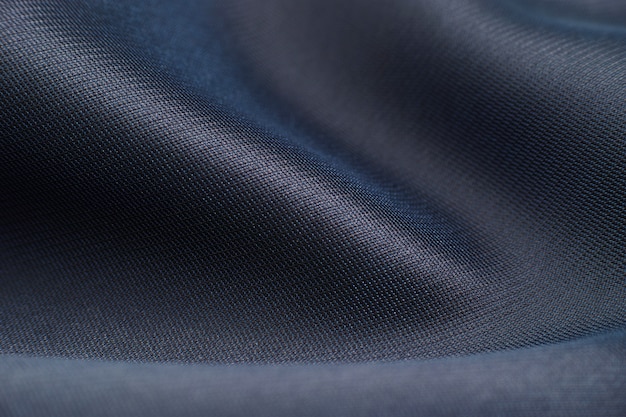
Spandex, also known as elastane, is a highly elastic synthetic fiber that can stretch multiple times its original length and still return to its shape. Because of its exceptional elasticity, spandex is commonly blended with other fibers to create types of stretch fabric used in athletic wear, leggings, swimsuits, and fitted clothing.
Garments containing spandex offer improved flexibility and comfort, allowing them to move with the body without losing their form.
Acrylic Fabric

Acrylic is another synthetic fiber designed to mimic the properties of wool. It is lightweight, warm, and resistant to moth damage, which makes it a popular alternative to natural wool in sweaters, blankets, and winter clothing.
Acrylic fabrics are often used in knitwear because they are easy to care for and maintain their color and shape well over time.
Specialty Fabrics Used in the Textile Industry
Beyond traditional fibers, the textile industry also produces specialized kinds of textile fabric designed for specific uses in fashion, upholstery, and technical products.
Velvet Fabric

Velvet is a soft and luxurious fabric characterized by its dense pile surface. This texture is created by weaving two layers of fabric simultaneously and then cutting them apart to form a plush surface. Various types of velvet fabric exist, including crushed velvet, stretch velvet, and silk velvet, each offering different levels of softness and sheen.
Velvet fabrics are widely used in eveningwear, stage costumes, and upholstery because of their rich appearance and elegant texture.
Mesh Fabric

Mesh fabrics are characterized by their open-weave structure that allows air to pass through easily. Because of this breathability, types of mesh fabric are commonly used in athletic clothing, sports jerseys, and footwear.
Mesh textiles are also frequently used in bags, hats, and ventilation panels in garments where airflow is important for comfort and performance.
Fleece Fabric

Fleece is a soft synthetic fabric typically made from polyester fibers that have been brushed to create a fluffy, insulating surface. Various types of fleece fabric exist, including polar fleece, microfleece, and sherpa fleece, each offering different levels of warmth and thickness.
Fleece fabrics are widely used in jackets, hoodies, blankets, and winter clothing because they provide warmth while remaining lightweight.
Upholstery and Sofa Fabrics

In furniture manufacturing, designers often use durable sofa types of fabric that can withstand frequent use. Upholstery fabrics such as microfiber, chenille, velvet, and linen blends are selected for their durability, texture, and visual appeal.
These fabrics are designed to resist stains, fading, and wear while maintaining comfort and style in home interiors.
Which Type of Fabric Is Best for Clothing?
There is no single fabric that is best for all clothing. The ideal type of cloth fabric depends on the garment’s purpose, climate, and comfort requirements.
Cotton is widely considered one of the best fabrics for everyday clothing due to its breathability and softness. Polyester blends are often preferred for durability and wrinkle resistance. Silk is favored for luxury garments, while wool is ideal for winter wear.
When choosing types of fabrics for clothing, factors such as fabric weight, stretch, breathability, and care requirements all play important roles.
What Are the Different Types of Fabric and Their Uses?
The wide range of types of cloth fabrics available today allows manufacturers to create textiles for many different purposes. Cotton is widely used in everyday clothing and home textiles because it is soft, breathable, and comfortable.
Synthetic materials like polyester and nylon fabric clothes are popular in sportswear, activewear, and outdoor gear due to their durability, moisture resistance, and easy maintenance. Wool fabrics are commonly used for sweaters, coats, and winter garments because they provide natural insulation and warmth.
Silk, known for its smooth texture and elegant appearance, is often used in luxury clothing and formal wear. Beyond fashion, many types of textile fabrics are also used in upholstery, automotive interiors, industrial products, and medical textiles.
Understanding the Diversity of Fabric Materials
The textile industry continues to innovate with new materials, blends, and manufacturing techniques. From traditional natural fibers to advanced synthetic textiles, the variety of all types of fabric available today is greater than ever.
Understanding the different types of fabrics, their construction methods, and their properties allows designers, manufacturers, and consumers to select the right material for any application. Whether exploring types of clothing fabric, upholstery textiles, or technical fabrics, the right fabric choice ultimately determines the quality, comfort, and durability of the final product. Ready to bring your apparel ideas to life? Tack Apparel offers expert fabric selection and premium garment manufacturing.